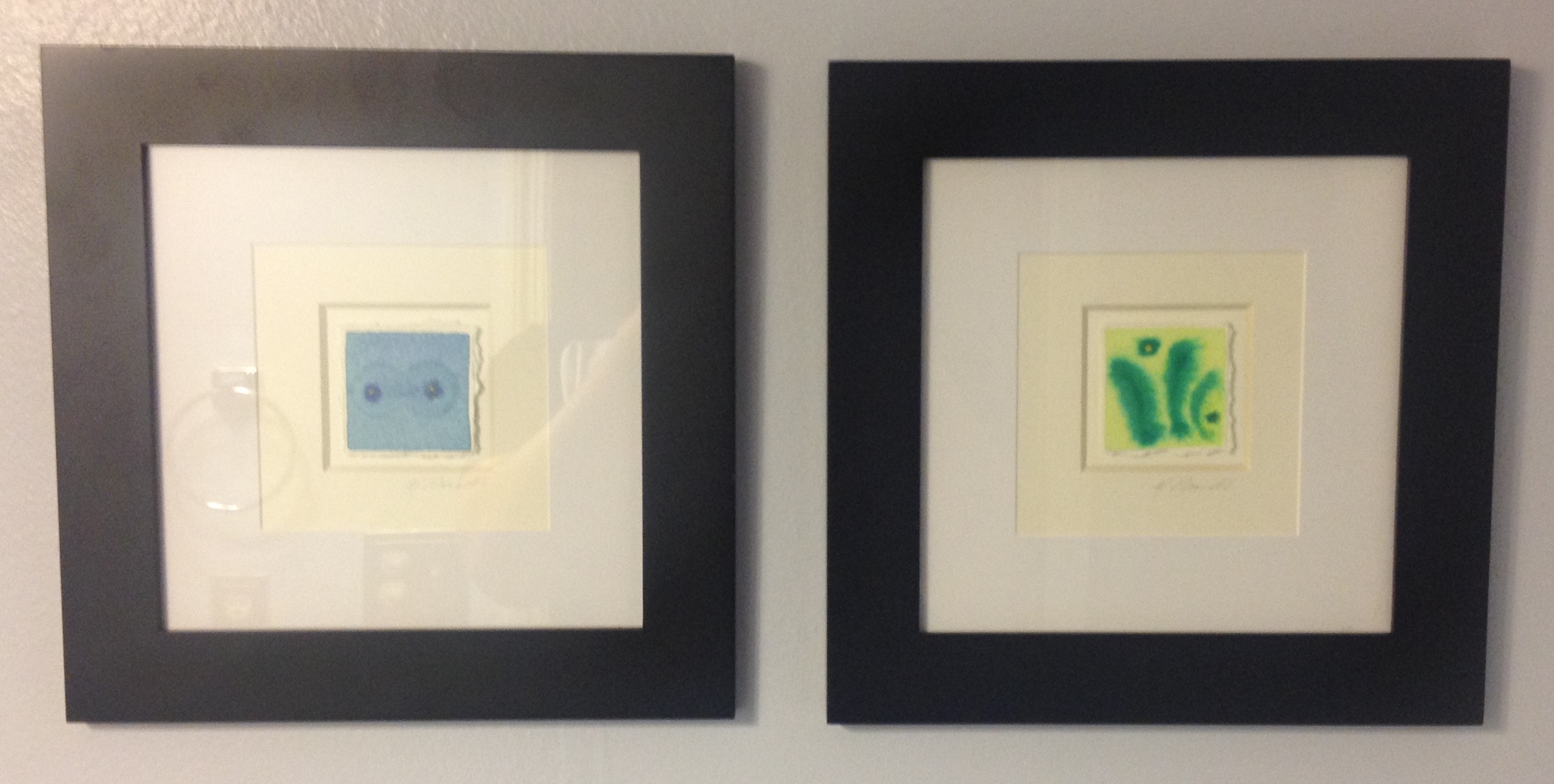
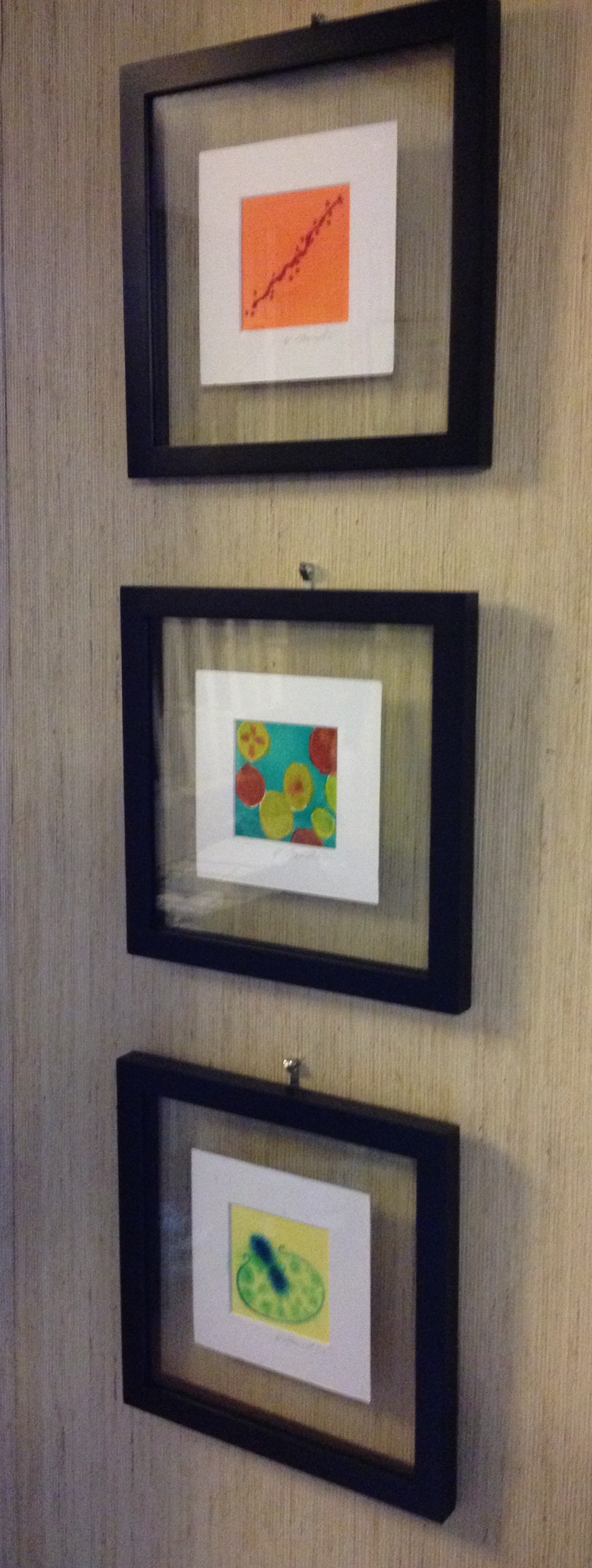
We were rehanging some of our art from Michele Banks today. The first is on a wall in our family room. The second is on the wall of our downstairs, guest bathroom, which we just repainted.
Where is yours? You do have some “Artologica” Art, don’t you?
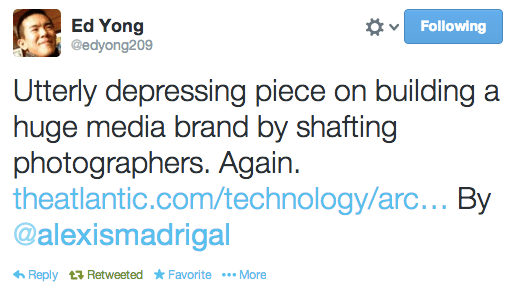
Can you spot the fundamental flaw in the logic of self-justifying logic of the owners of @HistoryInPics*?
“Photographers are welcome to file a complaint with Twitter, as long as they provide proof. Twitter contacts me and I’d be happy to remove it,” he [Xavier Di Petta] said. “I’m sure the majority of photographers would be glad to have their work seen by the massives.”
-from “The 2 Teenagers Who Run the Wildly Popular Twitter Feed @HistoryInPics” by Alexis Madrigal
If you don’t tell people who took the pictures, how do the photographers benefit from having their work seen by the “massives”? Sure, having one’s work make an impact is a reward unto itself, but it doesn’t pay the bills.
When our artists can’t pay their bills, we get less art. Or as the internet would say, “This is why we can’t have nice things.”
*In general, I avoid linking to folks that are making their bank on the backs of uncredited artists.
“Philosophy Presenting the Seven Liberal Arts to Boethius” (c. 1460-1470CE) by the Coetivy Master
Like other museums that share portions of their collection online, this make an experience of the Getty’s collections available for people around the world, who cannot actually visit the Getty. While the works of art themselves are in the public domain, the Getty might claim copyright over the scans/photos of the art. Instead, they have taken the step of making clear that this images are available for the public to use and adapt as we see fit.
The Getty makes available, without charge, all available digital images to which the Getty holds the rights or that are in the public domain to be used for any purpose. No permission is required. – The Getty “Open Content Program”
I don’t know if letting me print 300dpi images of classic art will hurt The Getty’s bottom line due to reduced gift shop sales of postcards (not from me, the gift shops never have the pieces I want). Hopefully, The Getty’s program will inspire other museums to consider following suit.
*The results of a search for “science” were a bit disappointing, but I suspect that this is mainly due to the age of many of the works. Using a historically relevant term, like “philosophy” was much more productive.
**Hat tip to Hannah Williams.




 The Finch and Pea