
Art is a subjective experience. Just like those hippie artists to fly in the face of the millenia old of tradition[1] of putting things in order so that we might judge one another. As we know that the average human being is quite likely to go around enjoying just any old piece of art that they find appealing without requiring a full understanding of the work’s place in society, history, and artistic development, it is extremely important that we regularly convene panels of experts to tell us what is good and important. The only other option is chaos. And, as everyone knows from post-apocalyptic novels, chaos always leads to eating babies. The American Film Institute has made a cottage industry out of producing ranked list of mostly American films, providing a convenient framework to demonstrate that almost all arguments over cinematic preference stem from the other person being a cultural Philistine[2]. Vanity Fair has now weighed into the fray of artistic judgment with “Architecture’s Modern Marvels”, a ranked list of the “most important works of architecture created since 1980”.
What, if anything, do these ranked lists tell us about works of art?
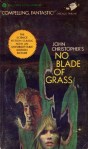 John Christopher’s 1956 No Blade of Grass is an extremely compelling page turner that portrays our moral traditions and social glue as being so fragile that they can be swept away in a day. Compassion, mercy, and even friendliness are not as hard-wired as we would hope, and they quickly dissolve when the urgency of survival forces us to view all other people as competitors.
 The Finch and Pea