The Science of Monsters

The edges of old maps, the gateways to parts unknown, are often said1 to have carried the words “Here Be Dragons”. At the dawn of the Scientific Revolution, there was plenty of room for those dragons to roam. Each human culture around the globe was surrounded by a fog of geographic and metaphysical unknowns. Since that time, science has destroyed the habitat of those dragons in a steadily process 2.

The central question of Matt Kaplan’s book, The Science of Monsters, is really focused, not on the monsters, but on us. Why did we populate that fog of unknowns with fabulous creatures that evoked fear and awe? Do we still tell similar stories after the fog has been lifted? If we do, how have the stories changed to reflect our new reality? The Science of Monsters is ultimately about our favorite monster – us. Continue reading “The Science of Monsters”

Trollslayers

On 10 April, the US Patent and Trademark Office (USPTO) invalidated key aspects of patent-troll Personal Audio’s “podcasting patent” following a petition for review spearheaded by the Electronic Frontier Foundation with assistance from the Cyberlaw Clinic at Harvard’s Berkman Center for Internet & Society and other pro bono attorneys. Personal Audio had been using the patent to threaten podcasters with lawsuits unless a settlement was paid out.

ORDERED that Petitioner has shown by a preponderance of the evidence that claims 31–35 of U.S. Patent No. 8,112,504 B2 are unpatentable…

A key aspect of the successful petition was the evidence of “prior art” – podcasts or podcast-like productions that pre-dated the patent – which were researched in part through crowdsourcing.

The U.S. Patent and Trademark Office (USPTO) invalidated key claims in the so-called “podcasting patent” today after a petition for review from the Electronic Frontier Foundation (EFF)—a decision that significantly curtails the ability of a patent troll to threaten podcasters big and small…In petitions filed with Patent Office, EFF showed that Personal Audio did not invent anything new before it filed its patent application, and, in fact, other people were podcasting for years previously.
Electronic Frontier Foundation

Science for the People: On Intelligence

sftpThis week Science for the People is learning about how scientists and society measure intelligence, and the relationship between smartness and success. We’re joined by cognitive psychologist Scott Barry Kaufman, to talk about his book Ungifted: Intelligence Redefined. We’ll also talk to Nathaniel Barr, postdoctoral researcher at the University of Waterloo, about research into the relationship between smartphone use and cognitive skills.

*Josh provides research & social media help to Science for the People and is, therefore, completely biased.

Marketing is ready for STEM Women of Color

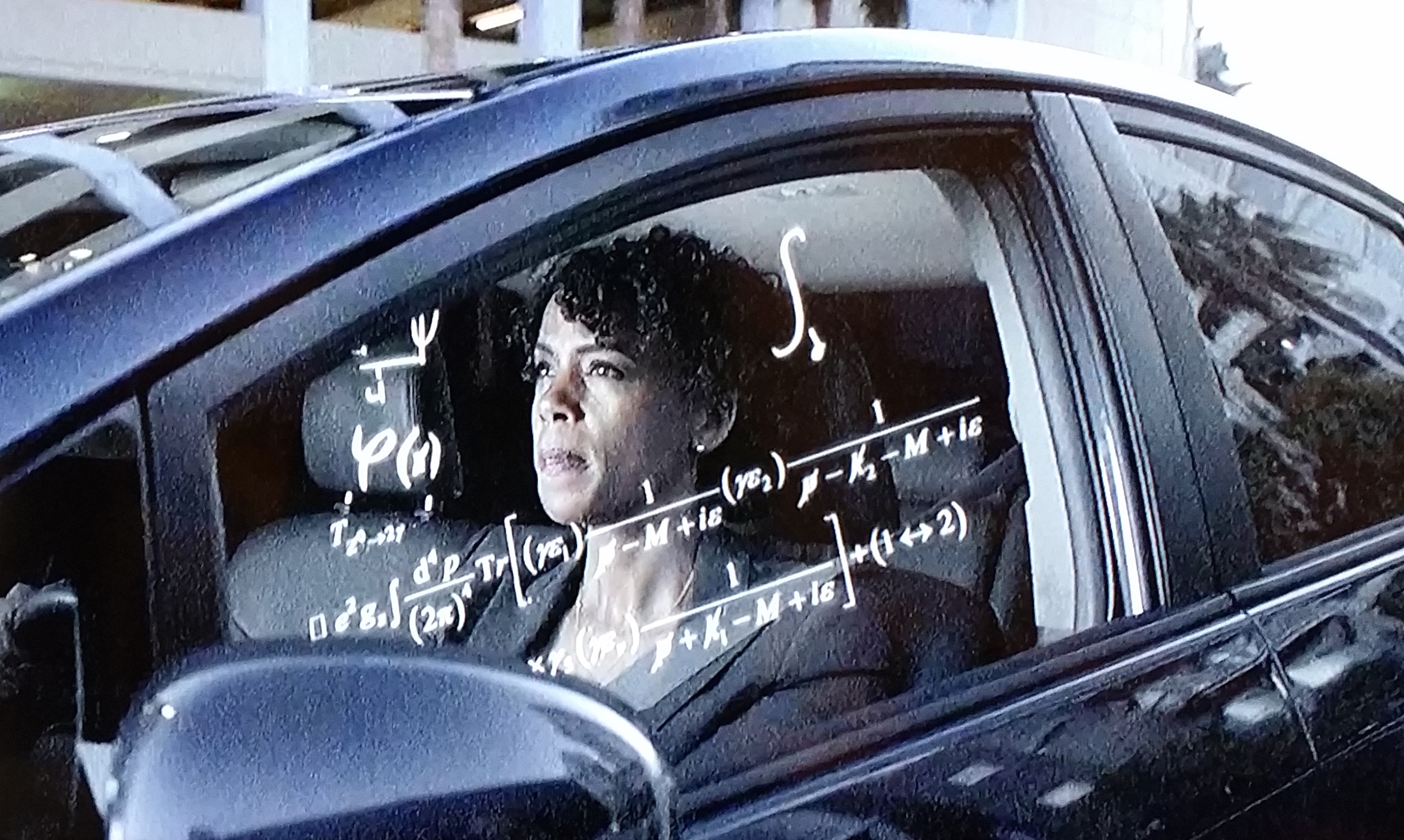
Barbie dolls are not real people. The pictures of actors and models in magazines are barely real people (thanks to Photoshop). The actress in this car commercial is not a real scientist.

16737581547_bf046bf211_o

It does, however, show anyone watching commercials during the NCAA Men’s Basketball Tournament a stylish woman of color driving a nice car and doing complex-looking mathematics* in her head.

It shows someone who is not white, not male, not bearded, not with crazy hair, not with disheveled clothes, not with sub-par social skills doing complex-looking mathematics* in her head.

As we increasingly recognize that recruiting and retaining a diverse STEM workforce requires presenting individuals in that field with whom they can identify, we have a car company showing us that. This actress may not be a real scientist, but my four-year-old daughter won’t know that her concepts of who can be a scientist will have been expanded positively by a commercial while Daddy watched Duke play basketball on TV.

*I do not have the gift for going “oh, that is X equation” on sight. So, I will leave it up to you, dear readers, to evaluate the actual complexity and accuracy of the mathematical imagery.

Science for the People: Celebrity & Science

sftpThis week we’re looking at how famous personalities influence public opinion about science and pseudoscience. Health law professor Timothy Caulfield returns to talk about his new book Is Gwyneth Paltrow Wrong About Everything?: When Celebrity Culture and Science Clash. We’ll also speak to Conservation and Development professor Daniel Brockington about his research on celebrities and charitable advocacy.

*Josh provides research & social media help to Science for the People and is, therefore, completely biased.