
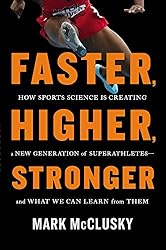
Science for the People: Sports Science

sftpThis week we’re exploring the ways that science and technology are changing sports, on and off the playing field. We’ll speak to journalist Mark McClusky about his book Faster, Higher, Stronger: How Sports Science Is Creating a New Generation of Superathletes – and What We Can Learn from Them. We’ll also get the scientific perspective on sports supplements with Dr. Bryan Chung, founder of Evidence Based Fitness.

*Josh provides research & social media help to Science for the People and is, therefore, completely biased.
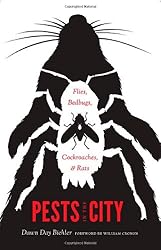
Science for the People: Pests in the City

sftpThis week, Science for the People is exploring the ways human-made environments support – and shape – the lives of many species we think of as vermin. We’ll talk to Geography and Environmental Studies Professor Dawn Day Biehler about her book Pests in the City: Flies, Bedbugs, Cockroaches, and Rats. We also speak to postdoctoral researcher Clint Penick about his research on the junk food diets of urban ants.

*Josh provides research & social media help to Science for the People and is, therefore, completely biased.
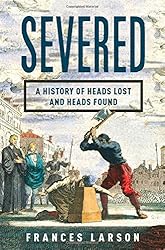
Science for the People: Severed

sftpThis week Science for the People is looking at our scientific curiosity – and morbid fascination – about the human body and its amazing anatomy. We’ll speak to anthropologist and author Frances Larson about her book Severed: A History of Heads Lost and Heads Found. We’ll also discuss the experience of learning anatomy through human dissection, with Laboratory Supervisor Haley Linklater, and masters student Noah Mintz, from the Department of Anatomy and Cell Biology at Western University.

*Josh provides research & social media help to Science for the People and is, therefore, completely biased.
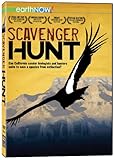
Science for the People: Heavy Metal Birds

sftpThis week, Science for the People is learning about the impact that the byproducts of our industrial societies have on avian populations. We’ll speak to filmmaker Matthew Podolsky about his documentary Scavenger Hunt, that looks at the effects of lead on the California Condor. We’ll also talk to conservation scientist Alexander Bond about his research on mercury poisoning in the endangered Arctic Ivory Gull.

*Josh provides research & social media help to Science for the People and is, therefore, completely biased.

Science for the People: Impossible Space

sftpThis week Science for the People is exploring the limits of science exploration in both fictional and fact. We’re joined by “lifelong space nerd” Andy Weir, to talk about his debut novel The Martian (and soon to be film, trailer below), that pits human invenitveness and ingenuity against the unforgiving environment of the red planet. And astrophysicist and science blogger Ethan Siegel returns to explore so-called “impossible space engines“, and what news stories about them can teach us about journalism and science literacy.

*Josh provides research & social media help to Science for the People and is, therefore, completely biased.