
Last week I wrote about my pick for the 2012 Polaris Prize, a prize awarded to the best Canadian album of the past year based solely on artistic merit. My pick was YT//ST from art-punk-Japanese opera-and more-inspired duo/group YAMANTAKA//SONIC TITAN. Like that panel that chose the short list, I find their work often surprising and original. But while I heard they put on a great show at the gala, they were not the eventual winners. Continue reading “Feistodon and the importance of cross-disciplinary collaboration”
This is how ENCODE members speak to other scientists, and how they should have spoken to the public
I know I’m beating a dead horse, but here’s a paragraph every single reporter writing on ENCODE should have read, and every single scientist from the consortium speaking to the media should have referred to:
A User’s Guide to the Encyclopedia of DNA Elements (ENCODE) PLoS Biol. 2011 April; 9(4): e1001046.
The major goal of ENCODE is to provide the scientific community with high-quality, comprehensive annotations of candidate functional elements in the human genome. For the purposes of this article, the term “functional element” is used to denote a discrete region of the genome that encodes a defined product (e.g., protein) or a reproducible biochemical signature, such as transcription or a specific chromatin structure. It is now widely appreciated that such signatures, either alone or in combinations, mark genomic sequences with important functions, including exons, sites of RNA processing, and transcriptional regulatory elements such as promoters, enhancers, silencers, and insulators. However, it is also important to recognize that while certain biochemical signatures may be associated with specific functions, our present state of knowledge may not yet permit definitive declaration of the ultimate biological role(s), function(s), or mechanism(s) of action of any given genomic element.
This is the kind of language you hear at conferences – language that I’d say is not controversial at all. By this criterion, ENCODE has been a great success. And this paragraph makes it clear that ‘junk DNA is debunked’ cannot possibly, under any scenario, be the immediate conclusion of the experiments conducted by ENCODE.
Independent replication
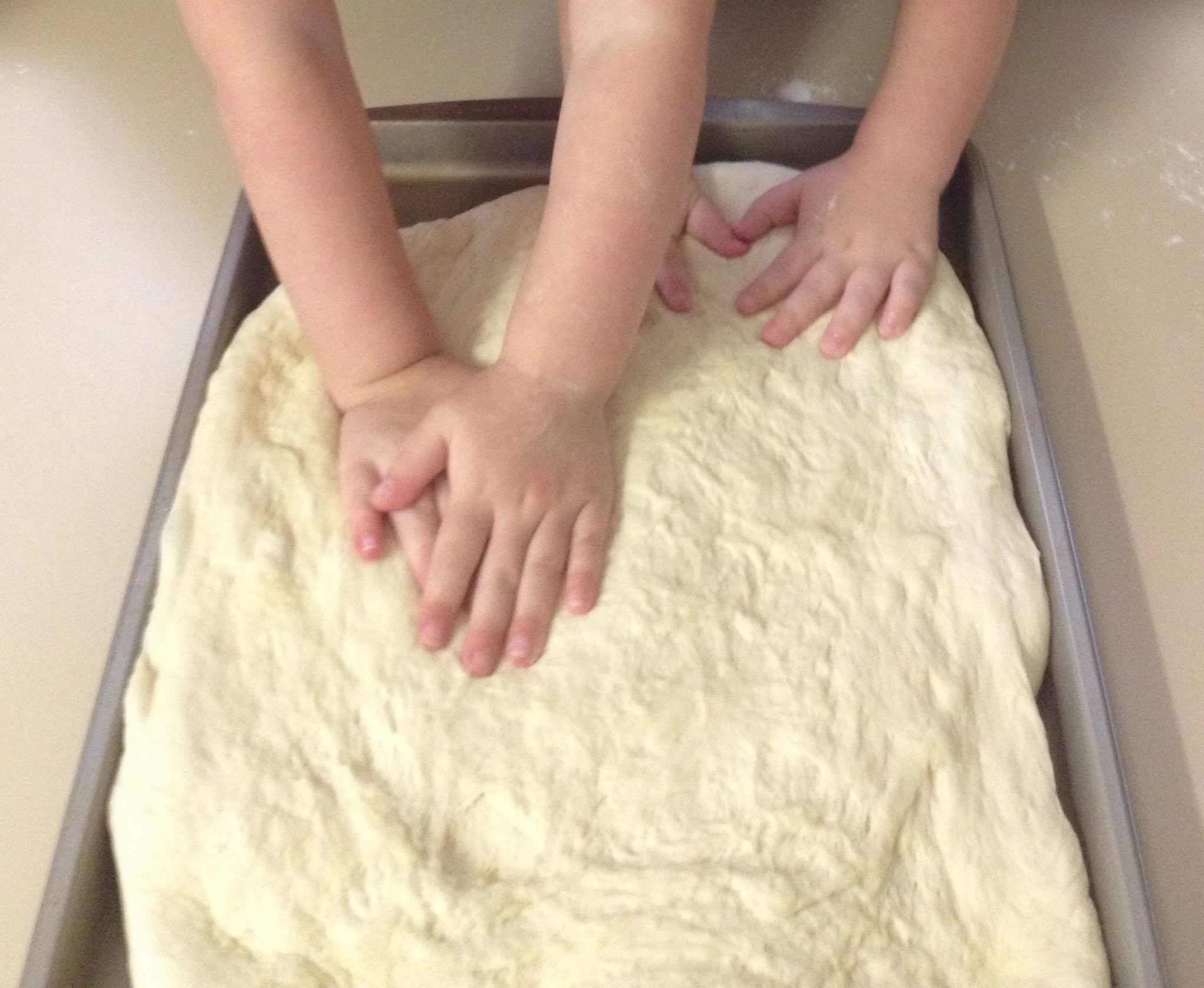 I know what you are thinking. Ben makes the recipes he writes about sound easy. It seems like understanding the science behind what I’m cooking will help. But I can’t really make that. Can I? Continue reading “Independent replication”
Linkonomicon VII




Sunday Science Poem: Chicago and the tensions of technological progress
 I just got back from a weekend in Chicago, where, among other things, I stood on a three-inch thick glass ledge, suspended a quarter of a mile above Chicago’s streets. The Sears Tower* is a symbol of the optimistic view of technological progress that was still common in the mid-20th century – an era of outsized, iconic engineering projects. Chicago’s history reflects both this optimistic view, and more ambivalent attitudes towards technology and cities, captured in today’s Sunday Poem, Carl Sandburg’s 1904 “Chicago”.
To introduce this poem, I’ll pass the mic to William Cronon, who writes of what Chicago meant to the development of the American West:
“My contention is that no city played a more important role in shaping the landscape and economy of the midcontinent during the second half of the nineteenth century than Chicago… During the second half of the nineteenth century, the American landscape was transformed in ways that anticipated many of the environmental problems we face today: large-scale deforestation, threats of species extinction, unsustainable exploitation of natural resources, widespread destruction of habitat. It was during this period as well that much of the world we Americans now inhabit was created: the great cities that house so many of us, the remarkably fertile farmlands that feed us, the transportation linkages that tie our nation together, the market institutions that help define our relationships to each other, and the natural world that is our larger home.”1
Continue reading “Sunday Science Poem: Chicago and the tensions of technological progress”
 The Finch and Pea