Freeman Dyson on the rampage

Freeman Dyson muses on outsider science in the NYRB, “Science on the Rampage”:

In my career as a scientist, I twice had the good fortune to be a personal friend of a famous dissident. One dissident, Sir Arthur Eddington, was an insider like Thomson and Tait. The other, Immanuel Velikovsky, was an outsider like Carter. Both of them were tragic figures, intellectually brilliant and morally courageous, with the same fatal flaw as Carter. Both of them were possessed by fantasies that people with ordinary common sense could recognize as nonsense. I made it clear to both that I did not believe their fantasies, but I admired them as human beings and as imaginative artists. I admired them most of all for their stubborn refusal to remain silent. With the whole world against them, they remained true to their beliefs. I could not pretend to agree with them, but I could give them my moral support.

My main problem with Dyson’s view is that it doesn’t take into account those cranks and pseudoscientists who are actually acting in bad faith – peddlers of snake oil, front-men for deep-pocketed business interests threatened by research on tobacco, climate change, etc., and religious fundamentalists who can’t make peace between their faith and thoroughly established science. In fact, it’s likely that there are many, many more dishonest pseudoscientists than the deluded but honest amateurs that Dyson describes, and his knee-jerk sympathy for the scientific outsider makes him a potential sucker. Continue reading “Freeman Dyson on the rampage”
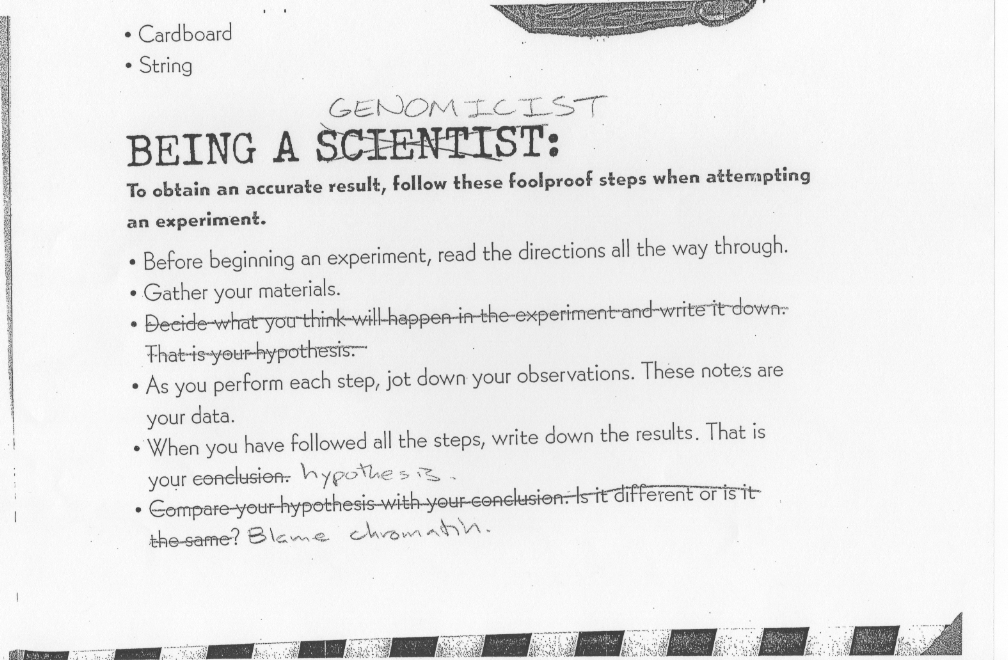
Being a Scientist: Genomicist

This probably qualifies as Mike and I making fun of ourselves as we have both done/do genome-wide experiments. Some of us work in places with the word “Genome” in their name. Dear colleagues, please remember this is satire. Sort of.

You can get your own “Being a Scientist” template here and create your own, you crafty bastards you.

Hunger Games and Teenage Angst in the New Yorker

I read this one when it came out back in 2010, but The New Yorker is highlighting it today to capitalize on the Hunger Games movie release:

“Fresh Hell”, Laura Miller:

…dystopian stories for adults and children have essentially the same purpose—to warn us about the dangers of some current trend. That’s certainly true of books like “1984” and “Brave New World”; they detail the consequences of political authoritarianism and feckless hedonism. This is what will happen if we don’t turn back now, they scold, and scolding makes sense when your readers have a shot at getting their hands on the wheel. Continue reading “Hunger Games and Teenage Angst in the New Yorker”

Apocalypse 1954: Hero’s Walk

Cold War Geopolitics in Space

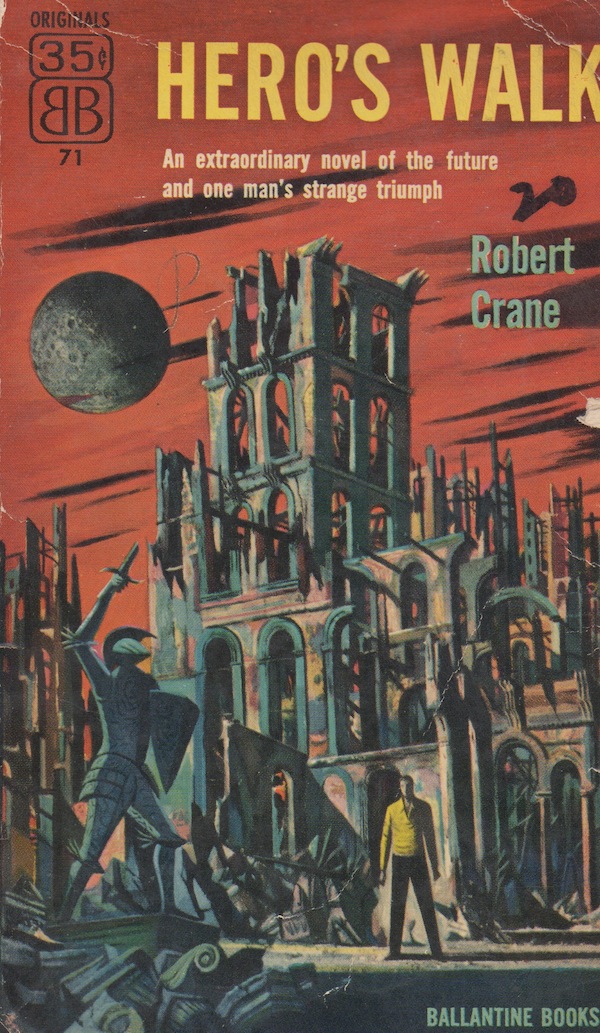
Hero’s Walk, Robert Crane, 1954

Humanity has united under a world government called InterCos, and has set out to boldly colonize the rest of the solar system. But strange, disturbing radio transmissions from space may be an alien warning against humanity’s imperialist ambitions. The politicians wrangle over the meaning of the transmissions, and use the issue to do what politicians always do – further their own power. Disregarding the frantic warnings of a desperate scientist who sees the alien threat, InterCos moves ahead with colonization, until the alien bombs start to fall. Hero’s Walk is basically a Cold War parable, published in the same year as the famous Oppenheimer security hearing, a critique of the reckless brinkmanship of the political leaders that threatened the world with the nuclear annihilation that scientists like Oppenheimer were warning about. Continue reading “Apocalypse 1954: Hero’s Walk”

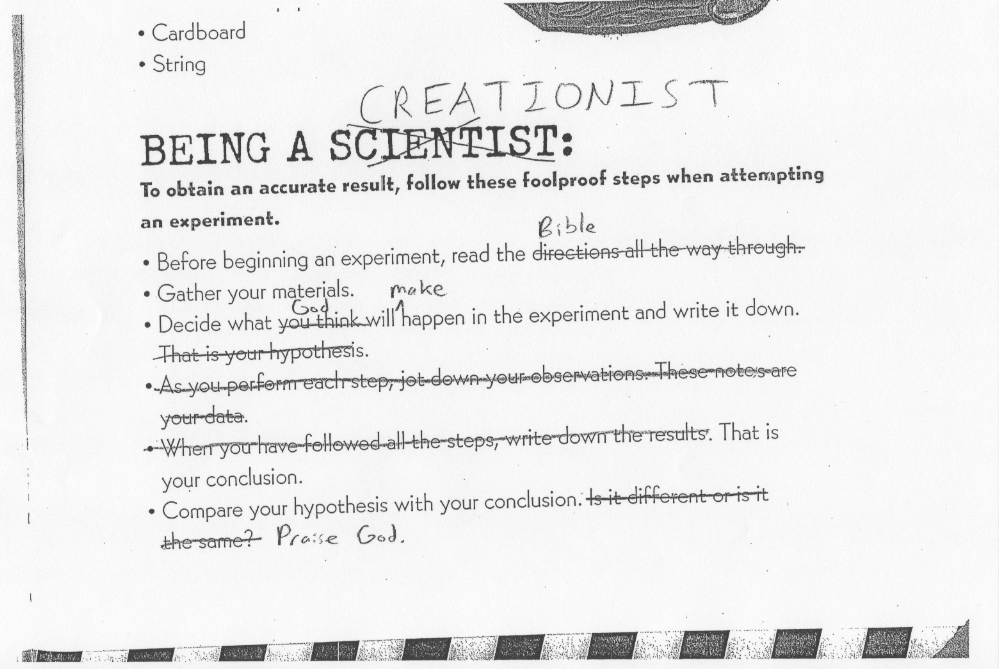
Being a Scientist: Creationism Edition

In honor of the great state of Missouri, birthplace of my doctorate and my eldest child (not in that order):

Continue reading “Being a Scientist: Creationism Edition”