Museum of Jurassic Technology

What was the best April Fool’s joke you saw this year? I bet it was one that had some elements of truth in it. You initially believed it, and thought “….what?” before remembering the date, and regaining skepticism. That feeling right before you realized it was fake, when you were still impressed and wowed by this unbelievable news, but confused about certain aspects of it, is the exact feeling you have when you’re in the Museum of Jurassic Technology, but you NEVER snap out of it.

I visited in 2008, and I’m still not sure what I saw and which parts of it were real or fake. This is a normal reaction. BoingBoing’s Mark Frauenfelder has said “I visit the Museum of Jurassic Technology once every few years to convince myself that it exists and isn’t just part of my dreams.” And New York Times’ Edward Rothstein wrote last year that he had “never been in a museum where the persistent question is: what kind of place is this?”

I also have to echo the New York Times’ warning that reading any further will spoil the experience for you. If you want to be surprised and amazed, stop reading right now, get on a plane to LA, and visit the museum yourself. If it’s real.

 
Museum of Jurassic Technologies
Continue reading “Museum of Jurassic Technology”

British Museum – Enlightenment Room

Science museums and natural history museums are a relatively new phenomenon. Now we can travel the world and step into an exhibit about science in any major city, but a few centuries ago these places did not exist. Tourism didn’t exist either: if you travelled the world, you were doing business or discovering new things. Many of those early travellers brought items from their journeys, which they traded or displayed back home.

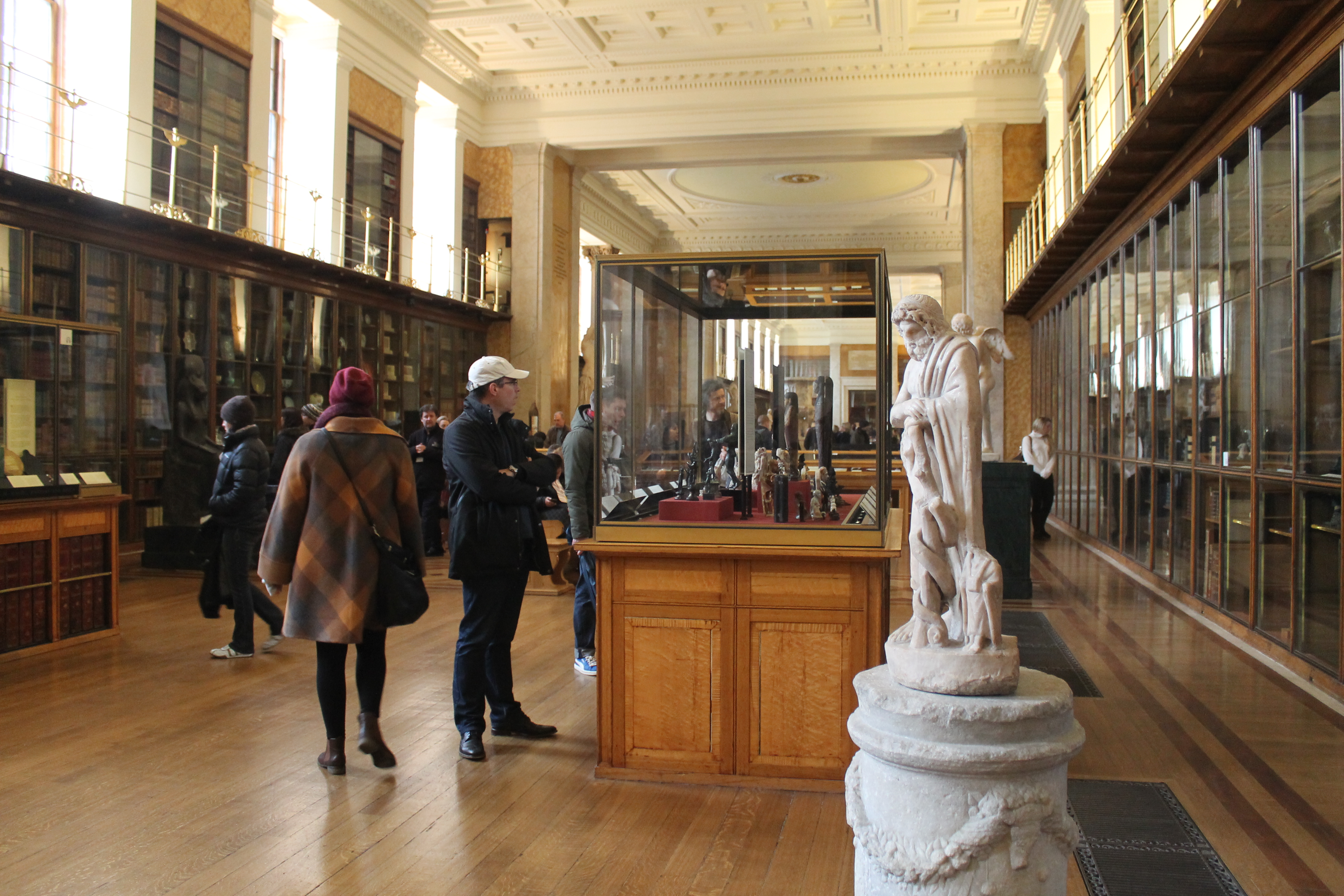
British Museum Enlightenment Room

Some of the larger private collections of interesting objects were referred to as Cabinets of Curiosities, and they could contain anything from fossils to archeological finds to stuffed animals. There was very little thematic thought behind these collections, although some collectors had favourites types of items, or would group things by visual similarities.

Over time, some of the more elaborate Cabinets of Curiosities turned into museums. The private collection of Hans Sloane turned into the British Museum after his death in 1753. The British Museum is now an enormous building, which you can’t even hope to take in in just one visit. But the first of the many rooms in the museum is a museum in itself. It’s the “Enlightenment Room”, which is set up to resemble a sort of Cabinet of Curiosities in itself.

The Enlightenment Room serves two purposes: it lets visitors have a close look at a wide variety of artefacts and natural history objects on a small scale, but it also shows where our modern museums came from. Continue reading “British Museum – Enlightenment Room”

Royal Ontario Museum

The Royal Ontario Museum collection is part natural history, part cultural history. I lived within walking distance for seven years, but I’ve only visited a few times. One of those times was in the summer of 2007, at the opening of a new section of the building.

The ROM hired Daniel Libeskind to design a new extension to the museum. The winning design, the “Crystal”, drew some criticism: it looks a little bit as if a spaceship crashed into the building.

ROM Crystal East

I vaguely recall that I didn’t like it at first, but it’s grown on me and now I think it fits the location. The side of the building with the new extension is directly at an upscale shopping district, in the neighbourhood where the annual film festival is held. But the museum is located on university grounds, and the rest of the museum still looks suitably academic and old. Continue reading “Royal Ontario Museum”

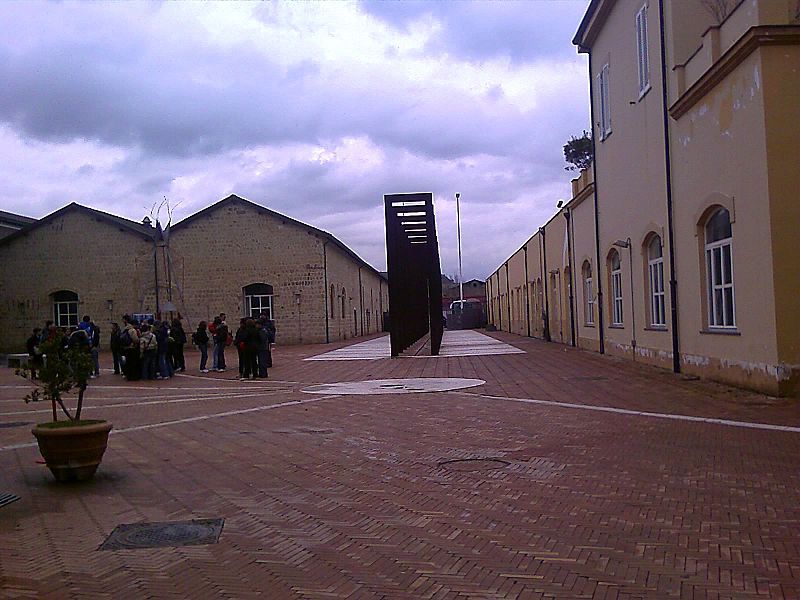
Citta della Scienza Fire – Hope of future Science Tourism

Before the fire
Before the fire

Instead of your regular Science Tourist post, here’s some bad news about one particular destination which nobody can visit at the moment.

Last week, on the evening of March 4th, a fire started in the Città della Scienza in Naples. It quickly spread throughout most of the museum, and by Tuesday morning the entire building was destroyed. The cause of the fire is not known yet, but Neapolitans suspect a case of arson.

Before the fire, the museum attracted 350,000 visitors per year. School children would go here to play with the interactive exhibits and use the associated educational facility to learn about science the same way other kids around the world do in their local science centres. The museum was built in a former industrial area, and was widely used as an example of the transformation and modernization of Naples. On a global scale, the museum is small – smaller than the ones I’ve written about here before – but for the city of Naples this is an enormous loss. Continue reading “Citta della Scienza Fire – Hope of future Science Tourism”

Hoover Dam – Science Tourist: Water Engineering 2

Hoover Dam by Ansel Adams (1942)

Last week I wrote about a pump that used steam power to empty a large lake. This week, the opposite: Hoover Dam created a lake to generate power!

Hoover Dam is built in the Colorado river, on the border of Nevada and Arizona. It’s very much in the middle of nowhere, but Vegas isn’t far away and Hoover Dam tours are one of the main attractions for visitors who quickly tire of the bright lights, casinos, shows, and theme hotels. About 15 minutes into the bus trip you will also have tired of puns on the word “dam(n)”, though, but that’s a sacrifice you’re going to have to make on this dam tour for the rest of the dam day. To give you an accurate experience, I’m going to be making dam puns throughout the rest of this post. Continue reading “Hoover Dam – Science Tourist: Water Engineering 2”