 Nobel Prize-winning neuroscientist Eric Kandel’s book about “The Quest to Understand the Unconscious in Art, Mind, and Brain, from Vienna 1900 to the Present” will keep you busy. It’s stuffed with history of Viennese Expressionism (Klimt, Kokoschka, and my new favorite, Schiele), Freud (what he got right and what he didn’t), cognitive psychology, and a fascinating discussion about how our minds, particularly our unconscious minds, respond to art.
There are a lot of neuroscience details, but the big point of the book is that Freud was right – most of our cognitive processes are unconscious. A key aspect of creativity is to facilitate the exchange between the unconscious and the conscious, and good artists take aesthetic moves that play on the unconscious responses of beholders, and to increase our awareness of the unconscious that operates in us. Kandel gives a neuroscientific justification of James Watson’s famous claim that “it’s necessary to be slightly underemployed if you are to do something significant.”
Particularly fun was the discussion of why Klimt and the Expressionists pursued particular stylistic directions. Klimt was directly influences by his contact with scientists, and many of the symbols in his paintings are inspired by microscope images of cells.

 Our favorite coffee shop in Hartsville is The Midnight Rooster. It is home to “the crocodile table”, lattes made with a Southern sense of urgency, and delicious chocolate chip cookies. Today, my daughter, The Frogger, and I were passing some time between one errand and the next. The Midnight Rooster also has lots of art books from exhibitions. So, I got to read artist statements. Just back from ScienceOnline, my scientist soul is feeling properly chastised about the use of jargon.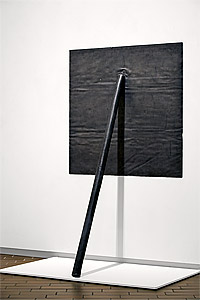


 The Finch and Pea