The Music of Climate Change

Here’s something to listen to over the weekend: On NPR, composer John Luther Adams explains the science and art behind his Pulitzer-winning orchestral work, Become Ocean, which I’ve listened to at least ten times in the past week.

I believe deeply in the inherent power and mystery, the imperative, for music in our lives. And it’s my hope that you can listen to this music without knowing anything about what the composer had in mind…

At the same time — and this is me talking out of the other side of my mouth — most of us these days, think a lot about the future of the present state of the Earth, the future of the human species and specifically about climate change. As I composed Become Ocean, I had in my mind and my heart this image of the melting of polar ice and the rising of the seas. All life on this Earth emerged from the ocean. If we don’t wake up and pay attention here pretty soon, we human animals may find ourselves once again becoming ocean sooner than we imagine…

And maybe that’s the Alaskan in me: 40 years living in the presence of raging wildfires and river ice breaking free in the springtime. I’ve been in touch for most of my life — pretty directly in touch — with these elemental forces that are so much bigger and more powerful, not only than I am, but than I can even imagine. And that can be both terrifying and profoundly reassuring.

Watch the performance by the Seattle Symphony:
Perpetuating the PhD pyramid scheme

This kind of thinking drives me up a wall – scientists who are unwilling to approach the PhD labor market from a scientific perspective:

Living Science: Looking out for Future Scientists, Eve Marder, eLife:

I wonder at those who think they can predict which of our graduate applicants is likely to become a great scientist, and am dismayed by the hubris of those who think we should restrict access to PhD programs to a select few…

Ever since I can remember (and that is a long time), there have been wise heads who have counseled that we should drastically decrease the size of our PhD classes because there are not enough academic faculty positions to accommodate all of the able and interested candidates…

While these authors show a deep understanding of how increased competition for positions and funding have deleterious effects on the biomedical research and teaching enterprise, every time I think about substantially restricting access to graduate programs I wince…

There are some who argue that students who finish their PhDs (or spend years as postdocs) and then move into other careers have wasted their time. I disagree…

Society would be enriched if more of the people making decisions in industry, law, medicine, education and politics had lived through the rigors of a PhD program, and knew first-hand how difficult it is to extract knowledge from our imperfect measurement and analytical tools…

Continue reading “Perpetuating the PhD pyramid scheme”

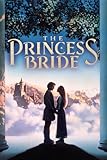
#PrincessSci: The Princess Bride gets “Scienced”

#PrincessSci was not the first effort to “science up” The Princess Bride. It will probably not be the last. After all, The Princess Bride is one of the most quotable movies of all time; and, in my humble opinion, one of the best movies ever made (no, I don’t care what the American Film Institute says).

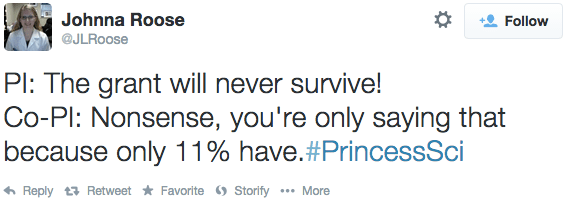
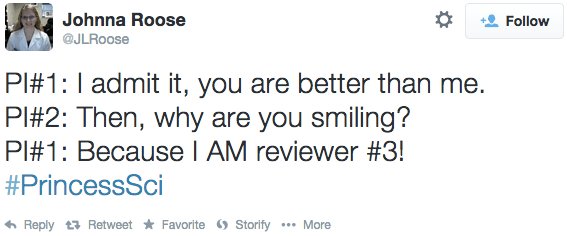
I must say that the contributors to the #PrincessSci hashtag really brought their “A Game” to the effort, with a stand-out performance by Johnna Roose:
Screenshot 2014-10-06 12.32.12

Screenshot 2014-10-06 12.23.49

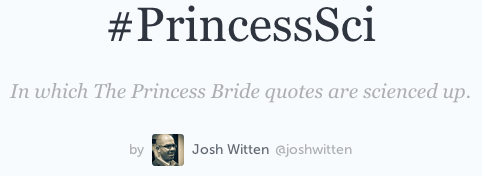
You can read all the contributions Storified here:Screenshot 2014-10-06 12.31.48

The Art of Science: Beautiful Chemistry

Egg-HCl-01

Today is Chemistry Nobel day, so it’s a perfect time to spotlight a new site that explores the beauty of chemistry though ultra-high-definition videos and interactive graphics. Beautiful Chemistry is a collaborative project by the University of Science and Technology of China and Tsinghua University Press.

The Beautiful Reactions section features videos taken with a 4K UltraHD camera and special lenses to capture chemical reactions in remarkable detail.  The Beautiful Structures page uses computer graphics and interactive technology to showcase some of the most classic and beautiful chemical structures, including crystals, DNA and amorphous solids.

Beautiful Chemistry, which launched last month, hopes to use digital media and technology “to bring the beauty and wonder from the chemistry world to a wide audience. In addition, we want to achieve a unique aesthetic of chemistry, making chemistry approachable and lovable.” You can find more information on the video techniques and coming attractions on the Beautiful Chemistry blog.


Darwin bench

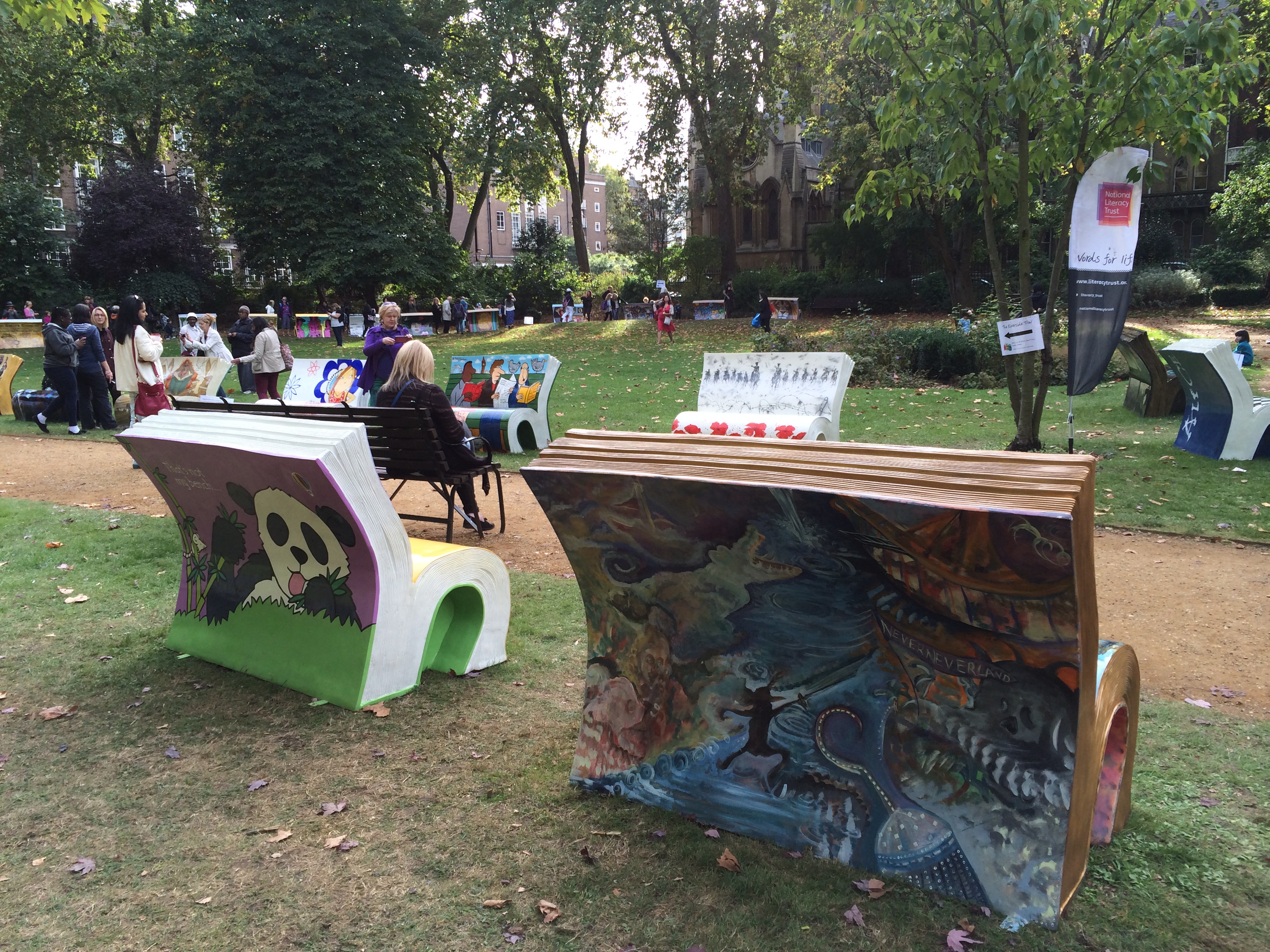
This past summer, several famous British books were scattered across London, in the shape of benches. The “Books about Town” benches were grouped in different trails, to make it easy to walk past all of them on a few walks, and still I didn’t manage to catch more than one bench in the wild before all of the benches were removed and prepared to be auctioned off.

Thankfully, the University of London kindly arranged to have all of the benches displayed for one last weekend, all together in Gordon Square Garden. Finally a chance to see them all!

2014-10-05 14.50.39

I photographed the Paddington bench and the Neverwhere bench, and fifteen others, including  some of books I didn’t know, but I managed to forget to take a snap of the one science book in the collection: Darwin’s On The Origin of Species. Here’s the official photo from the site instead:

darwinbench

Today, this bench, and all the others, will be auctioned off. Having seen similar projects in other cities, I suspect that some of the benches will be bought by organisations that will display them to the public again. I hope the Darwin bench gets a good home, so that you can visit it – wherever it will be next.