Carbon offsets

Airplane

According to a carbon footprint calculator my air travel between 2010 and 2012 produced 58,005 pounds of CO2 per year! I flew for work, vacation, and family visits these years – and several of my science travel reports on this blog were based on locations I visited on these trips.

Several companies allow you to “offset” the CO2 you produced as part of travel of home energy use. But what’s the science behind carbon offsetting?

The idea behind carbon offsetting is that you pay a company to invest in green technology, forestation, or anything else that would reduce CO2 by the same amount you added to the world with your lavish lifestyle. This is the same mechanism used by companies that advertise “carbon neutral” travel or events.

Scientifically, you’re still producing CO2 with your air travel, and it’s still having an effect on our overall climate. There is no guarantee that what you’re investing in carbon offsets will really reduce greenhouse gases by the same amount as you added to the world. It’s really hard to measure exactly how much CO2 is sequestered in offset programmes, and carbon offset companies can’t guarantee that what you paid them for carbon offset credits will eventually reduce CO2 by the amount you intended. It’s also difficult to predict what the long-term effect will be from the current increase, regardless of a future reduction.

The most convincing scientific theory of carbon offsets comes from the field of psychology. What you’re actually doing when you buy carbon offsets for an airplane trip is making yourself feel less guilty about your environmentally unfriendly habits. A recent study shows that people will even increase their greenhouse emitting activity if they know it’s going to be offset by carbon offset credits. [PDF]

I just got back from a trip to Switzerland, and produced another 440 pounds of CO2. For $5.95 I can pay a company to offset it, but I think I’ll hang on to the guilt for a while so that I can think about more direct ways to reduce my own footprint, rather than simply paying someone so that I don’t have to think about it anymore.

 Photo by Francois Roche on Flickr.

Space Oddity, we hardly knew ye…

UPDATE: The video was taken down voluntarily by Hadfield in keeping with his original agreement with Bowie and without pressure from Bowie. That does not mean this is how things should have happened.

Almost one year ago today, I posted about astronaut Chris Hadfield’s cover of David Bowie’s “Space Oddity” from the International Space Station. I hope you took the time to check it out then, because you can’t anymore.

According to the Ottawa Citizen, David Bowie had given Hadfield a one-year license to cover Space Oddity. Last Wednesday, the license expired and the video was taken down.

While Bowie has the right to license his song as he sees fit under the law, it is difficult to see how this helps anyone, including Bowie, aka The Goblin King. It is very easy to see how this hurts the effort to inspire people with science and art.

At the time, I wrote that Hadfield’s cover represented the “best of humanity”. If that was true then, what does this – the use of copyright pedantry not to prevent theft of ideas, but to squash creativity and inspiration – represent?

But, let us reflect the best of humanity and be charitable. Maybe Bowie just forgot to renew the license. I do that all the time – forget things, not licenses, no one wants to license my crap.

*Hat tip to Cory Doctorow at BoingBoing.


Science Caturday: Congratulations, Graduates!

It’s that time of year, when students finally enjoy the rewards of all their hard work. In case it all seems like a blur, here’s a quick refresher. i-have-no-idea

profcat

somesort Well, done, graduates! Someday you, too, may be a tenured Chemistry Cat!

Science for The People: An Epidemic of Rumors

#265 - An Epidemic of Rumors
#265 – An Epidemic of Rumors

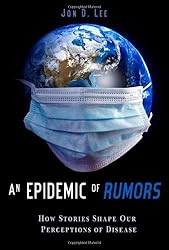
This week, Science for The People looks at the power of stories and innuendo to shape the public perception of science. They speak to author Jon Lee about his book An Epidemic of Rumors: How Stories Shape Our Perceptions of Disease. And they’re joined by Dr. Paul A. Offit, Chief of the Division of Infectious Diseases and the Director of the Vaccine Education Center at the Children’s Hospital of Philadelphia, to get the scientific perspective of the safety and effectiveness of vaccinations.

Broken Shells

photo 2 (1)For Spring Break, I took my three year old daughter1 to Holden Beach, NC. It was not warm enough to spend much time splashing in the water. So, we spent a lot of time looking for shells.

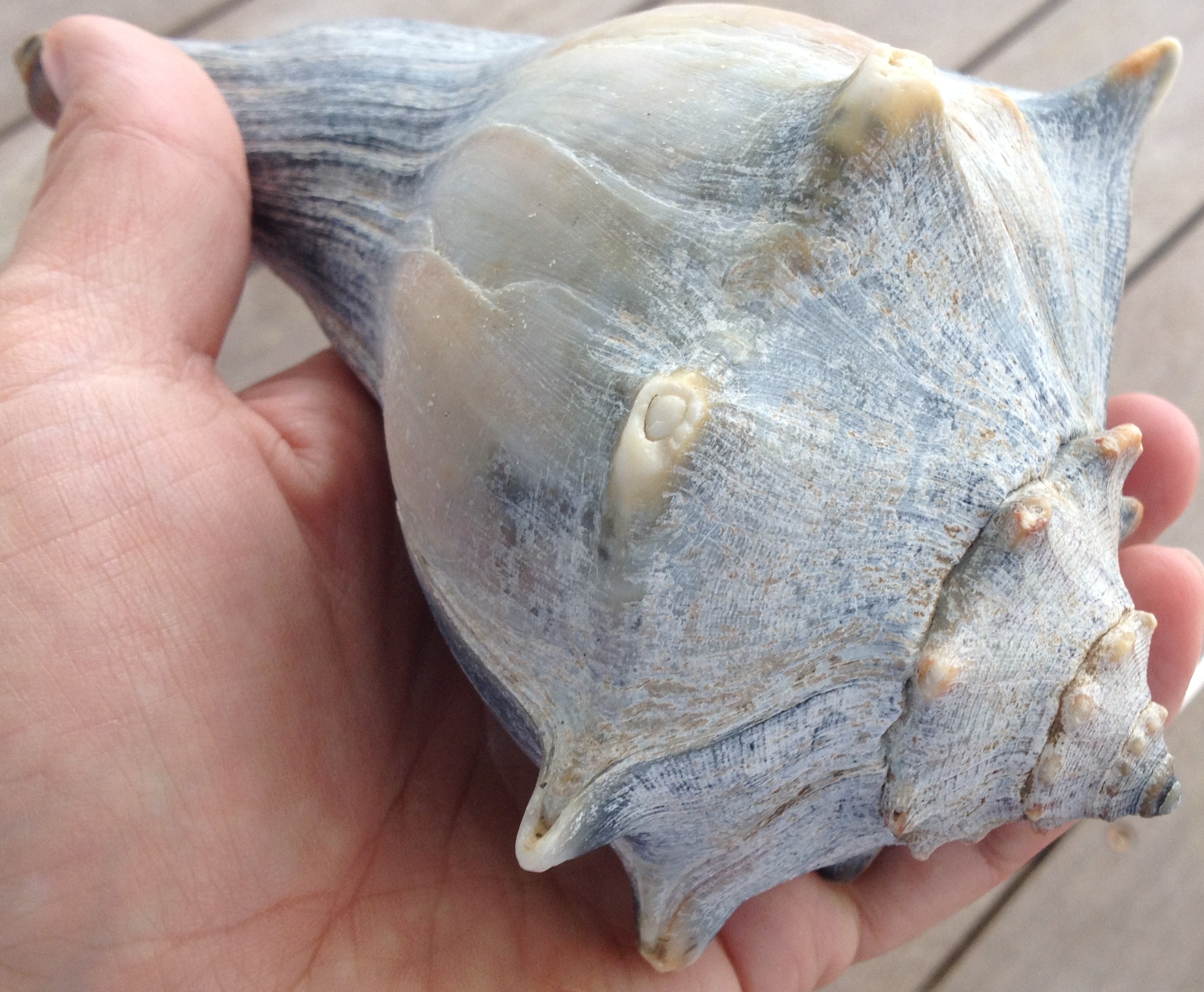
Over nearly thirty-five years, I have had the platonic ideal of a “sea shell” crammed into the forefront of my consciousness. I’m supposed to find “perfect” shells, unmarred by the unforgiving motions of the sea that bring the shells within my reach. Shells that will look pretty on the shelf. Shells like this one that used to be a whelk’s home2.

Based on the weight of shell fragments my daughter deposited in my pockets, it is clear that she has a more expansive ideal of beauty than her old man. We collect a lot of “broken” shells, because my daughter sees the innate beauty in these broken things. This may explain why she still likes me3.

You know what? You can learn a lot from broken shells and three year-olds. Continue reading “Broken Shells”