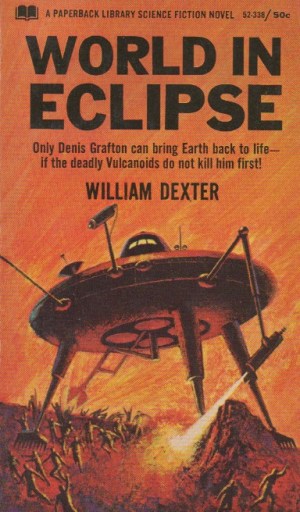
The Phone Truck

What happens when a classic toy outlasts the culture it references?

I got to see that happen this morning. My youngest was dragging this classic toy across the floor by its string, like it’s creator intended. As she traipsed, she intoned, “Phone! Truck! Phone! Truck!”

Like most parents, we were confused. Now, we were even more confused. Continue reading “The Phone Truck”

Sunday Poem

The Two Apes of Brueghel (1957), Wisława Szymborska (1923-2011)

So appears my big graduation exam dream:
In a window sit two monkeys fixed by chains,
Beyond the window the sky flies
And the sea splashes.

The subject is the history of mankind.
I stammer and flail.

One monkey, gazing at me, ironically listens,
The second seems to doze –
But when after a question comes silence,
It prompts me
By softly clinking the chain.

Translation from the Polish by yours truly.
All I have to say about this poem is that a monkey rattling a chain is never a good thing, especially at a thesis committee update. See the original Brueghel painting here.

Most scientists are in fact geeks

Science says:

In this Review, we hope to introduce scientists familiar with computational methods (geeks) to a selected set of interesting developmental problems…

A major educational goal in science should be to ensure that all biologists become geeks.

Sunday Poem

From the greatest science poem ever written, Lucretius’ The Nature of Things. The first stanza sets up the second, Lucretius’ rationale for doing, if you’ll forgive me the anachronism, science.

Sooner of later, you will seek to break away from me,
Won over by doomsayer-prophets. They can, certainly
Conjure up for you enough of nightmares to capsize
Life’s order, and churn all your fortunes with anxieties.
No wonder. For if men saw that there was an end in sight
To trials and tribulations, they would find the power to fight
Against the superstitions and the threats of priests. But now
They have no power to resist, no way to reason how,
For after death there looms the dread of punishment for the whole
Of eternity, since we don’t know the nature of the soul:
Is the soul born? Or does it enter us at our first breath?
And does it die with us, and is it broken down at death? Continue reading “Sunday Poem”

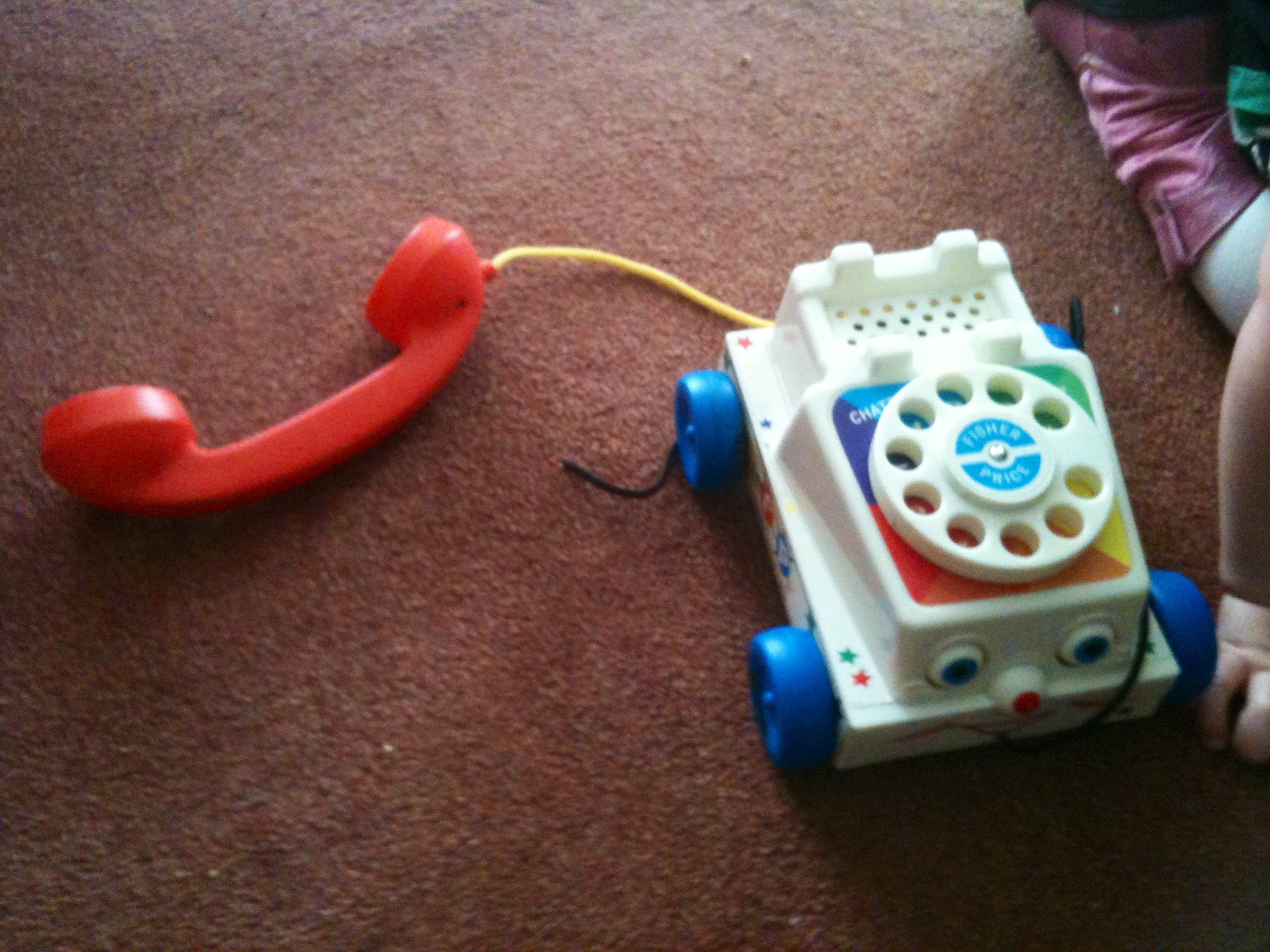
Apocalypse 1954: Flying Saucers, Vulcanids, and Thorium Bombs

World in Eclipse, William Dexter (1954)

World in Eclipse is a mildly entertaining but second-rate cosy catastrophe story that leaves you with an itch to go read some Day of the Triffids or No Blade of Grass. It’s one of those ‘aliens save a small human remnant from armageddon and return them later to the devastated earth’ stories. (The worst book in this field has got to be A.J. Merak’s abysmal, 1959 The Dark Millennium.) Dexter’s plot could be mistaken for a parody of 50s sci-fi clichés, as you can see from the following brief plot summary (mild spoilers ahead):

The perennially dismissed reports of flying saucers turn out to be accurate accounts of visitors from planet Vulcan, which is undiscovered by humans because it is hidden in the asteroid belt. Continue reading “Apocalypse 1954: Flying Saucers, Vulcanids, and Thorium Bombs”