Can you name a “musisci” – a person involved in both music and science? This was a question I asked over seven hundred people in a survey, and the answer looked like this:
Without the top five answers, you can more clearly see some of the other ones:
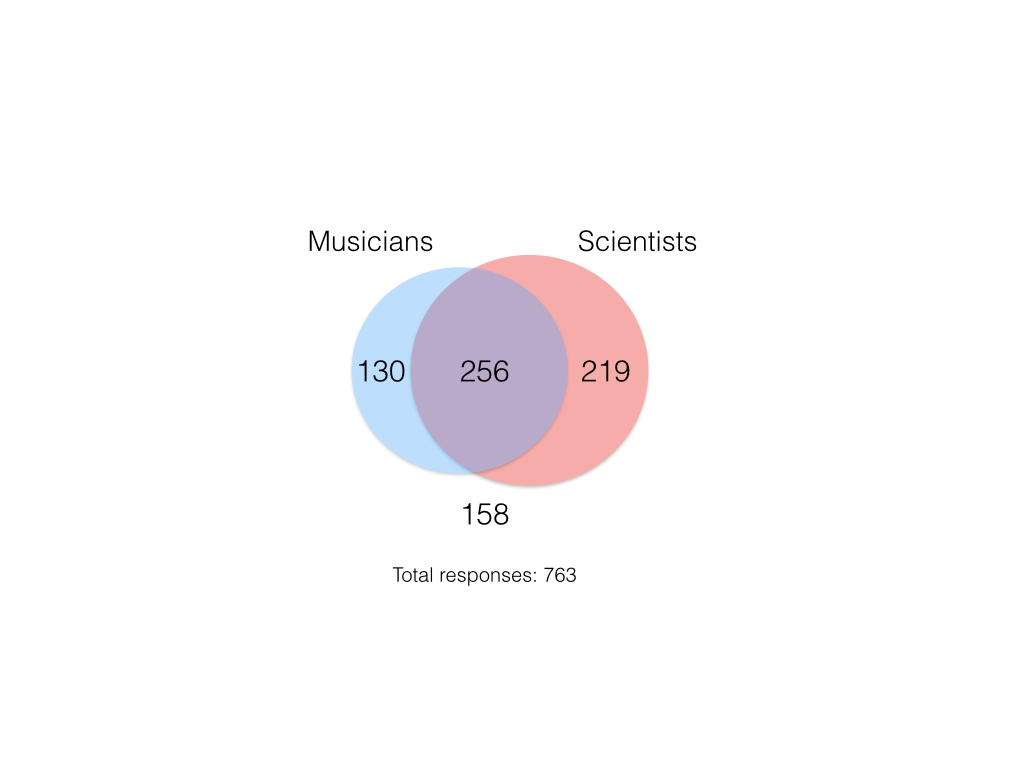
As you can see, there are a lot of people who have both music and science in their life, and this includes about a third of survey respondents, as well.
For the full results of the survey, see my blog post on easternblot.net. I’m also starting a quarterly newsletter about the musician/scientist overlap. First issue will go out today (with more survey results, some music, and related links), and the next one in August. You can sign up here if you’d like to receive it.
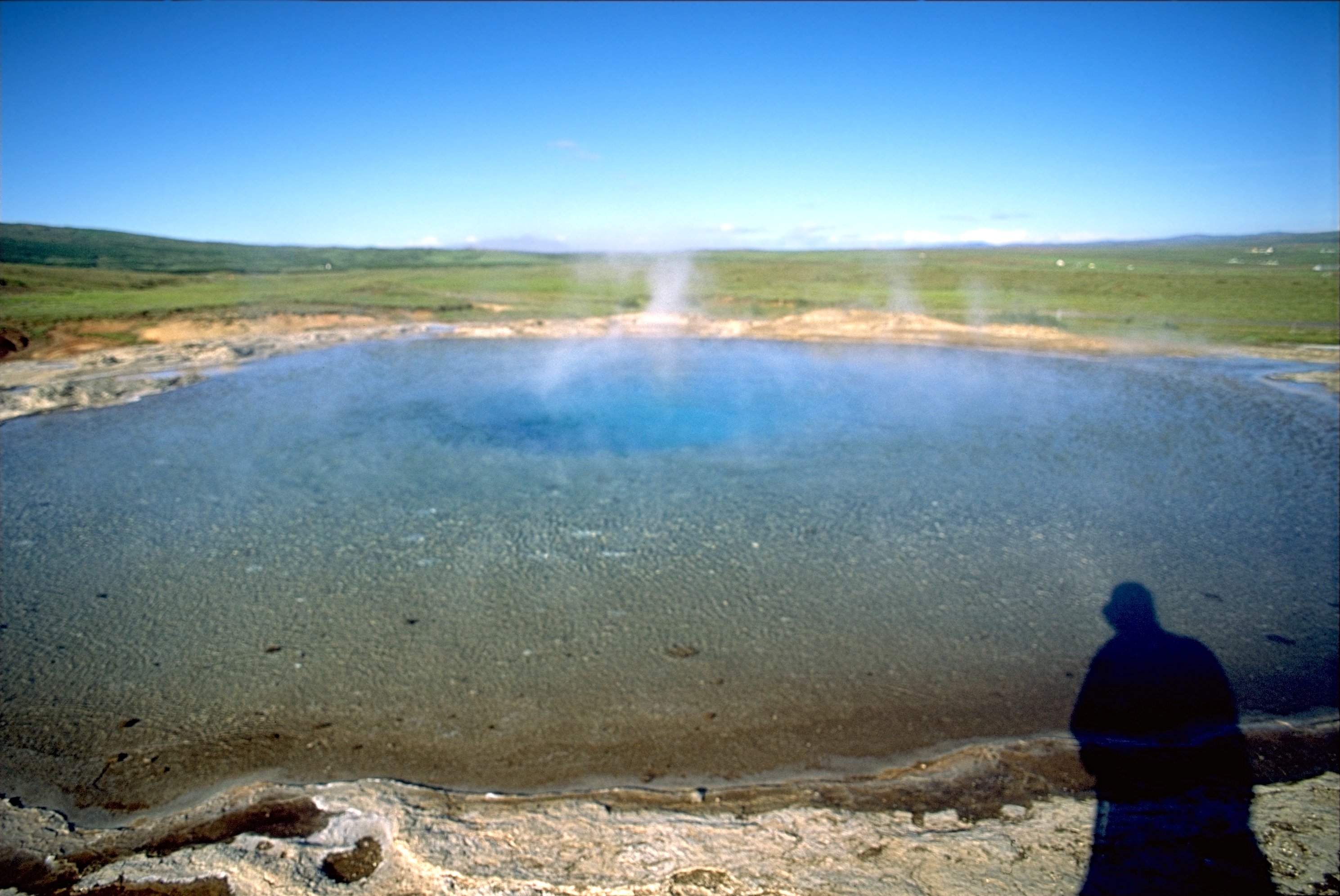
Think you know where this is? Here’s a hint: it’s just outside one of the locations we’ve covered on the Have Science, Will Travel series. But which location?
I’ve created a custom GeoGuessr game with five locations that should be familiar. See if you can find them on the map!
I’ve lived in London for just over two years now, but have already visited London Zoo three times.
The zoo, founded in 1826 is in the middle of London, but in one of its rare open spaces: Regent’s Park. It’s not a very large zoo, but the zoological society of London has a second – much larger – zoo outside the city, which is where the elephants are. At the moment, the lions are also temporarily out of the city, while they’re getting an awesome new enclosure.
When I was in high school, I did a mini literature research project about zoos, and learned that they have four key functions: entertainment, research, conservation and education. Since then, whenever I visit a zoo, I look for those four roles. London Zoo, perhaps unfortunately, relies very heavily on entertainment. Its Zoo Lates programme, allowing visitors to party in the zoo after hours, has been criticised for being stressful to animals. But on the other hand, the zoo’s popularity also saved it from closing in the 1990s. As a whole, though, the Zoological Society of London, which runs both London Zoo and Whipsnade Zoo, does do a lot of work on animal research and conservation, so the superficial entertainment value of London Zoo is a bit misleading.
In the three times I’ve visited London Zoo in the past two years, I also noticed that it’s currently undergoing a lot of improvements that all create more space or better enclosures for animals. Yay! The most recent one is the new lemur exhibit. It’s not as great a space as the Apenheul or Duke Lemur Center lemurs have, but much better than the old lemur cage (which you can briefly see in the 2013 video at the bottom of this post).
As part of the launch of the new lemur exhibit, the zoo’s website also has a lemur game, where you can let a lemur jump from tree to tree. (Unless you are as bad at platform games as I am, in which case the lemur just does one jump and falls to the ground. I’ll leave the jumping to real lemurs.)
Lest we turn this into the Lemur & Pea blog, let’s move on to this anteater.
This little guy was new to the tropical rainforest exhibit when I visited, and was just as curious as the visitors were. He has free reign of both the animal and people parts of the exhibits, but was still learning to deal with crowds and had two human babysitters (anteatersitters?) with him.
We also visited the penguins, and the exhibit about penguin research. This group of penguins was recently featured in The New Yorker, in an article by Ed Yong, discussing their wobbly walk. Just another example of the “research” function of zoos!
Even with a relatively small zoo as London Zoo, I still have never managed to visit ALL animals in one day. I’ll be back next year to visit the new lion enclosure, and here’s a video from my visit two years ago:
The word geyser comes from Geysir – the name of the first described geyser known to European scientists and explorers.
Much of what we know about Geysir in Iceland, and about geysers in general, comes from work carried out by Robert Bunsen in 1846. (Yes, that Bunsen, of the bunsen burner.)
He discovered that geyser activity was caused by heating of underground water at a particular point, while the rest of the water remains colder.
Geysir is thought to have been active for about 10,000 years, and is still active, although it’s not always predictable. Until the 1990s, eruptions were sometimes induced with soap so that the geyser could go off on command for special occasions, but that practice was abandoned out of environmental concerns.
We’ve updated the travel map with all current “Have Science, Will Travel” posts from The Finch and Pea, as well as some posts and videos found elsewhere on the web.
Google Maps has some exciting new icons so we updated those as well. A museum icon for museums, a flask for interactive hands-on science museums, trees/waves/mountains for national parks and particular ecologies, and some animals where appropriate. (Animals approximated: general rodent for bats, elephant for any animal park, fish for any aquatic park or fish-related site.) Moon for observatories, and you can try to work out the rest on the map itself on the map below.





 The Finch and Pea

