Science Tourist: Water Engineering Part 1 – Cruquius Museum and Amsterdam Ordnance Datum

I spent most of my childhood on the bottom of a lake. If you’ve ever flown to The Netherlands’ Schiphol Airport, you’ve been there, too. Luckily for us, the Haarlemmermeer (Haarlem Lake) was drained in the 1850s.

Where there is now a large international airport, several towns, farms and business parks, was once a 170 square kilometre lake. And where there was once one lake, there used to be multiple smaller ones. in the sixteenth century, Haarlem lake was smaller than 30 square kilometres. Flooding, erosion, and the harvesting of peat caused the small lake to merge with three other lakes in the area. The lake kept growing and growing. This hungry habit of lakes to eat away at the surrounding land was called “waterwolf”. It started becoming a nuisance, as the lake encroached further toward the surrounding cities. When it edged closer and closer toward Amsterdam, plans were made to dry the lake. Continue reading “Science Tourist: Water Engineering Part 1 – Cruquius Museum and Amsterdam Ordnance Datum”
Science Tourist: Algonquin Park, Ontario

I’ve taken you to a lot of indoor locations on my previous Science Tourist trips. Granted, one of them had a rain forest, but it was still indoors. Time to put on your hiking boots, because we’re going outside today, to Algonquin Park in Ontario, Canada!

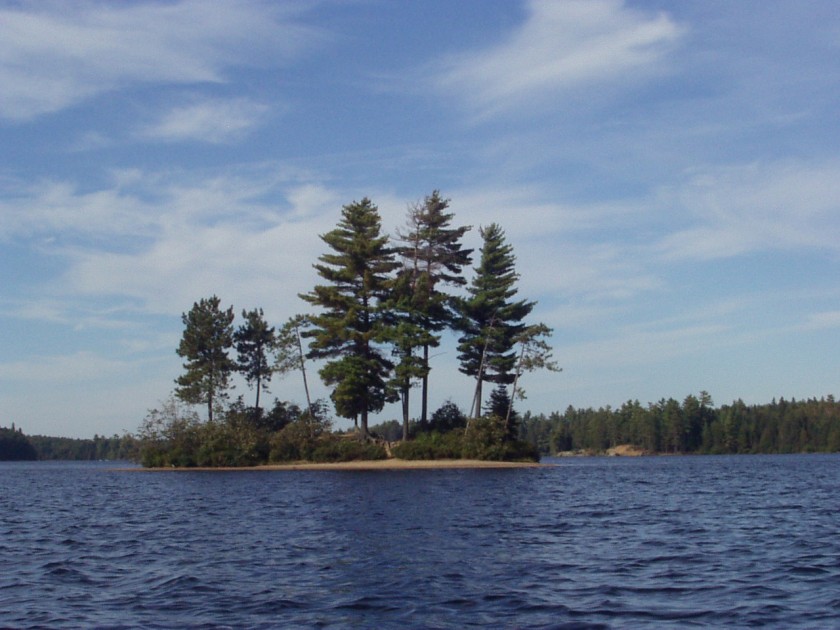
Algonquin Park is huge. Their FAQ says it’s 7,630 km² (2,946 square miles). A highway cuts through the southern part of the park, and that’s the only car route through the park. If you want to go further into the interior, you need a canoe to navigate the 1500 lakes. I’ve never gone that far. Both of my trips to the park have hovered close to the highway, but there’s still a lot to see there, and if you pick a quiet weekend to visit, you might not see anyone else on the hiking trails or on the lakes.

lake

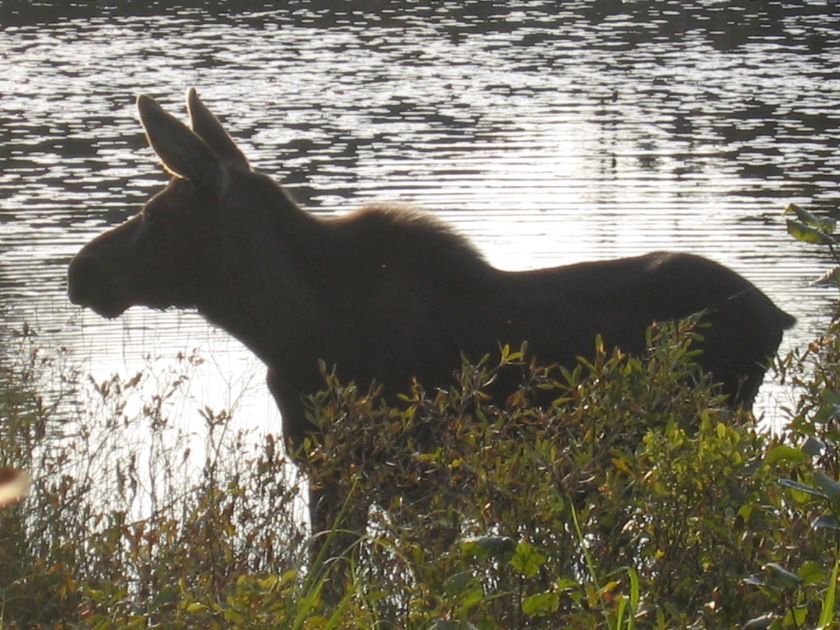
Toronto and Ottawa are each several hours away, so most people spend the night in the park. The first time I went camping in Algonquin Park, we had just started unloading the car at the campsite when the people from the neighbouring campsite told us to stop doing what we were doing and come over immediately with our cameras. There was a moose calf!

moose
Continue reading “Science Tourist: Algonquin Park, Ontario”

Science Tourist: Science Museum in London

Sorry for taking you to yet another museum (next week I’ll take you on a geology-themed hike) but I saw zombies at the Science Museum in London last week so we have to go there first.

Science Museum

There aren’t always zombies in the museum. It was part of a special event. The start of “Zombie Lab” was a room with agricultural dioramas (part of the permanent display, one presumes) between which zombies were being checked by doctors. It felt like we just walked onto the set of a very low budget movie. Where was the science?

Science Museum
Continue reading “Science Tourist: Science Museum in London”

London scio13 Watch Party

I was not at Science Online last week. I went in 2007 and in 2009 and I keep meaning to go back, but every year something comes up. It’s ironic that work is preventing me from hanging out with the community that got me into the work I do in the first place, but most of all it’s frustrating to not be where the action is. These are my people! Why was I not there?

Luckily, this year there was an opportunity to join in from a distance via locally organised Watch Parties, where people could get together to watch some of the sessions. Since nobody was organising one in the UK yet, I stepped forward, with Erika Cule, to organise one in London.

We managed to book a great space, the Imperial College Union Cinema, where we could project the talks on a cinema screen, and drag around chairs wherever we wanted to sit.

Scio13 London Watch Party

Scio13 London Watch Party
Can you guess which of these people is not on Twitter?
Continue reading “London scio13 Watch Party”

Science Tourist: Cambridge Science Centre

Most of the science museums in Cambridge are like the Sedgwick museum I wrote about a few weeks ago: very interesting, and full of things to look at, but mainly historic and academic. They celebrate science as things that have been done before. What Cambridge doesn’t have is a more educational and hands-on museum about science. But not for long: on February 8, the Cambridge Science Centre will open a small exhibition space, filled with interactive displays, in a temporary location in the centre of Cambridge. It’s the birth of a new science museum.

CSC_light

Ultimately, the Cambridge Science Centre hopes to find a larger, more permanent space, but for the next few years they’ve taken over the space of a former shop with levers, pulleys, buttons, sounds and lights.
Continue reading “Science Tourist: Cambridge Science Centre”