New additions to the “Have Science, Will Travel” map

You know about the map, right? The map that shows not only all of The Finch and Pea science travel posts (except for Gallifrey…) but also science travel posts from elsewhere on the internet.

A few recent additions to the map:

The map!

The Field Museum (online)

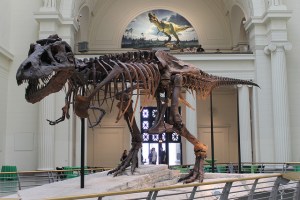
suetrexThe Field Museum of Natural History in Chicago (let’s pretend I picked a Chicago location intentionally to match up with the AAAS meeting that just took place there) is one of the largest natural history museums in the world, with 25 million objects in their collection. If you happen to be in Chicago, you can visit the museum in person, but if you can’t – don’t worry. The Field Museum has an extremely interactive online presence.

Here’s a little virtual tour: Continue reading “The Field Museum (online)”

Sochi Geology

The Winter Olympics kicked off amidst controversies about unfinished hotel rooms and LGBT rights, but all of that – and more components of the Games – could be easily swept away with an ill-timed landslide, earthquake, or avalanche.

Sochi

For the past several years, researchers have warned about the geological risks of hosting the Winter Games in Sochi. Continue reading “Sochi Geology”

Giant’s Causeway

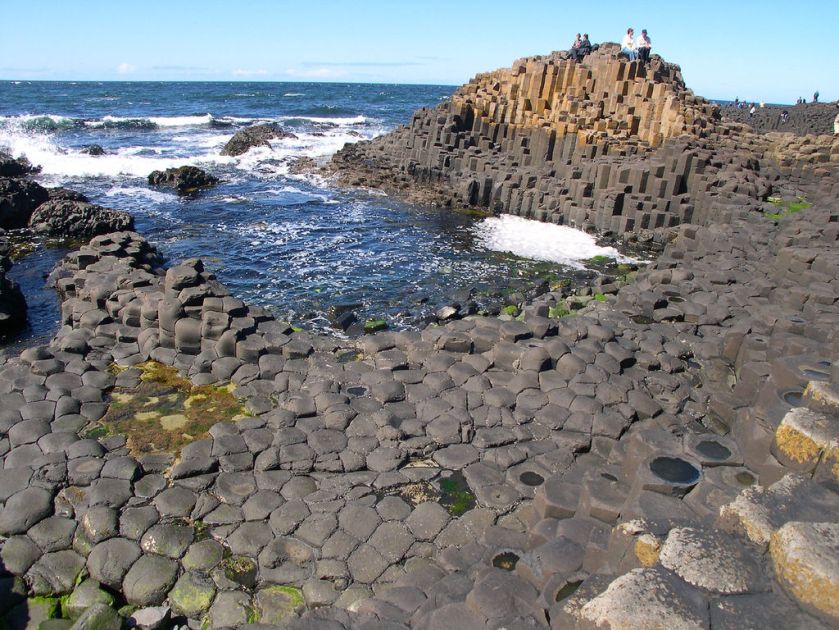
Legend has it that Irish giant Finn MacCool built a causeway across the water from Ireland to Scotland to challenge Scottish giant Benandonner to a duel. Before the duel, Finn tricked Benandonner into thinking he was a much larger giant by pretending to be a baby. Benandonner feared the enormous size of an opponent that would have a baby that big, and quickly retreated to Scotland, demolishing the causeway behind him to keep Finn away. Remnants of this Giant’s Causeway remain along the coast of Northern Ireland.

20005235_8f5a3a4159_b

Giants_causeway_closeupOf course the structures that resemble the cobblestone ramp to a causeway are not really built by giants. They’re basalt pillars, most of them hexagonal, created by fast-cooling lava over 50 million years ago, when volcanoes were active in what is now Britain and Ireland.
The basalt pillars of Giant’s Causeway reach high out of the water and really look like they’re part of a purpose-built structure. You can’t really blame people for coming up with giant legends in the absence of other explanations, but even now that we know that the basalt pillars are really remnants of more than 50 million year old volcanic activity, myths are still being propagated. In 2012, when the new Giant’s Causeway visitor centre opened, one of its audio exhibits mentioned that Creationist’s believe that the Causeway was not older than 6000 years. They have since removed the audio, to avoid confusion. Everyone agrees that the story about two giants was merely a fictional explanation of reality, so that myth gets to stay in the exhibit. But really, volcanoes and hexagonal basalt pillars are pretty cool themselves. No myths needed!

Images: Scenic shot by code poet on Flickr. Hexagon close-up in public domain, via Wikimedia.

Gallifrey and HD 106906 b

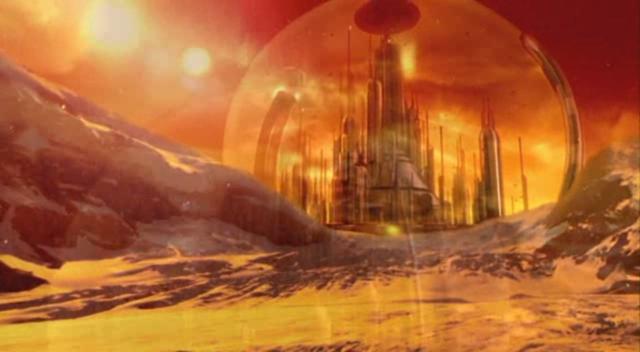
GallifreyThe long-running British sci-fi series Doctor Who is centered around The Doctor, the only remaining member of the Time Lord species from the planet Gallifrey. In a last-ditch effort to save the world, The Doctor has had to destroy Gallifrey in the Time War, so he’ll never be able to go home – or can he?

In more recent episodes of the show, it was revealed that Gallifrey is not lost forever, but that it has been relocated to a different universe, setting the scene for a future plot line involving a return to Gallifrey. Two weeks after the fictional planet Gallifrey was revived in the TV series, astronomers announced the discovery of a new, real-life, distant exoplanet. Continue reading “Gallifrey and HD 106906 b”