Science Caturday:Buzzed Off

regret

A report released this week by the US Environmental Protection Agency (EPA) showed a link between a major class of pesticides and harm to honeybees, but only when used on certain types of crops. The report showed that pesticides known as neonicotinoids posed a significant risk to honeybees when used on cotton plants and citrus trees but not when used on other big crops like corn and tobacco.

Both the pesticide manufacturer and anti-pesticide advocates were unhappy with the report, which failed to make a clear case for either continued use of neonicotinoids or an outright ban.

Neonicotinoids, chemicals that work on insects’ central nervous systems, have been the subject of intense debate in Europe, where several countries have enacted full or partial bans on their use.  Despite this, most scientific bee experts agree that neonicotinoids alone are not to blame for the problem of dwindling bee populations, although they may be a factor in some cases.

Entomologist May Berenbaum of the University of Illinois noted that the health of honeybees, agriculture’s top pollinator, is a complex puzzle that includes climate, food for bees, parasites, disease and the way different pesticides and fungicides interact. “People would like a nice simple story with a guy in a black hat as the bad guy, but it’s complicated.”

Our science kitteh, on the other hand, seems to have identified a villain. Oh, dear.


Science Caturday: Meme Sandwich

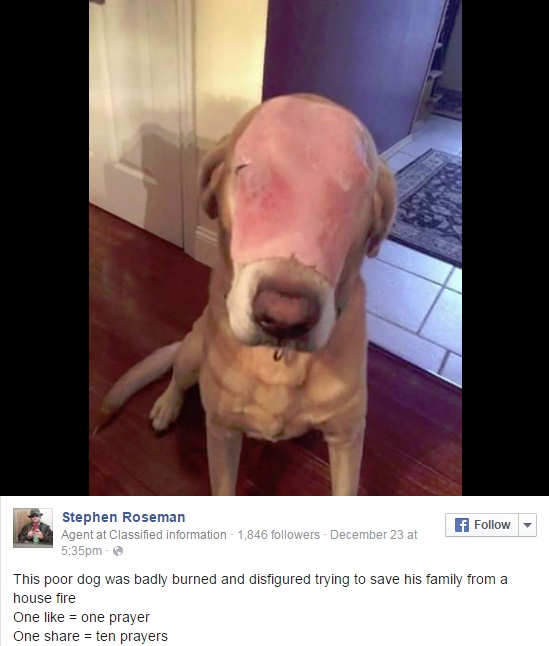
hamdog_1451496790750_673916_ver1.0

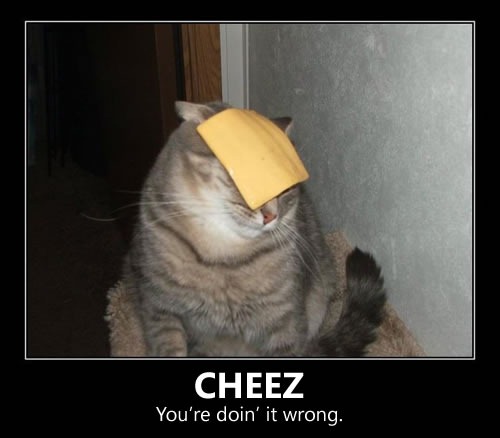
By now you’ve probably all heard the story of Hamdog, in which a guy posted a funny picture of his dog on Facebook with a slice of ham on its face, claimed that the dog had been seriously burned trying to save his family from a house fire, and asked for prayers in the form of likes and shares. Well, it worked: the picture was shared 110,000 times in a week and got over 54,000 likes before the truth came out. We could condemn the hoax or chuckle at the gullibility of internet folk, but instead, we’re going with option 3 – showing people how much better cats are than dogs at this sort of thing. Years before anyone draped ham over a dog’s snout, possibly as early as 2004, someone threw cheese at a cat’s head and gave birth to two classic memes – “Doing it Wrong” and “Who Throws Cheese, Honestly?”

cheez-youre-doin-it-wrong

In 2011, a Reddit user posted a photo of a cat with its head stuck in a piece of bread and spawned a “cat-breading” craze that lasted until 2013.

breadcat

So I guess you could say that the arrival of Hamdog completes a meme sandwich that’s been in the works for a decade, with cats (naturally) leading the way for the slower  canines. Sure, I’ll take some chips with that.

chips

Art of Science: Joe Black’s Ways of Seeing

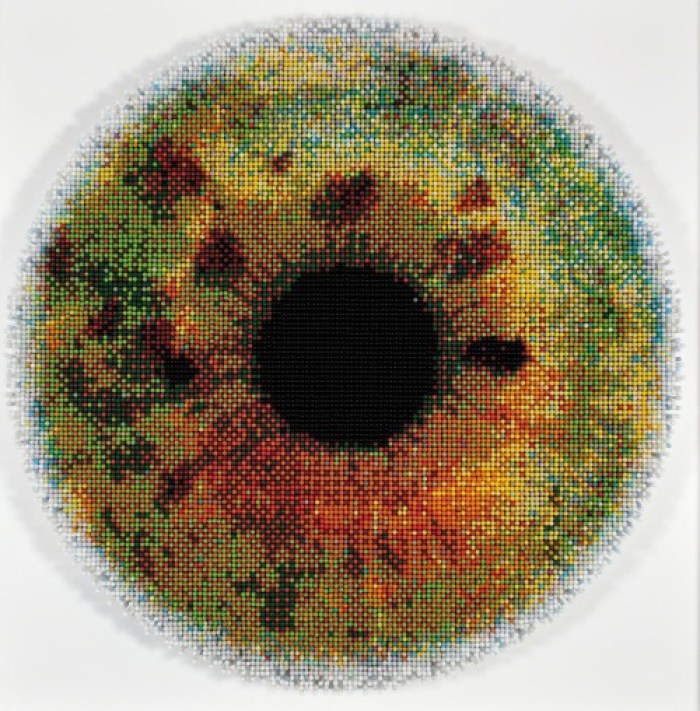
joe-black-mosaic-01
Joe Black, Ways of Seeing, 2013, hand-painted test tubes

UK-based artist Joe Black uses thousands of small objects – ranging from toy soldiers to plastic flowers to chess pieces – to create his large scale mosaic works. Black has made many portraits of famous people, including David Bowie and Barack Obama. But my favorite is Ways of Seeing, a huge eyeball made of 15,000 painted test tubes.

Black says that while he will use practically anything that is small enough to build large images and create vast tonal effects, he is careful to select a medium that not only meets those requirements but is also relevant to the subject he’s depicting.  The connections between the image of eye, the scientific connotations of the test tubes and the idea of art and science as ways of seeing are all fairly clear. His reasons for also building his portrait of Bowie out of test tubes remain slightly more obscure.

You can see more of Joe Black’s work at his website.

joe-black-mosaic-02
Detail view of Ways of Seeing


Science Caturday: The Cats Awaken

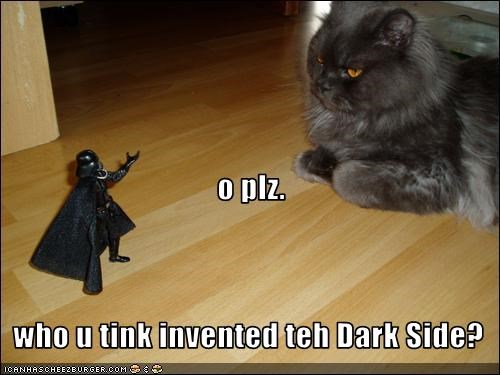
This week, researchers with USAMRIID published findings on Sphingosine kinase 2 as a host factor….oh look, who are we kidding here? This week’s big nerd story was STAR WARS: THE FORCE AWAKENS. This post contains absolutely no spoilers, only a collection of all the best Star Wars lolcats the internet had to offer. Enjoy them we hope you will.

swcat1

swcat3

swcat2

swcat4

swcat7

swcat5

whoutink


Art of Science: A high-Tech Ode to Vanishing Species

luola2_b
Kirsi Kaulanen, Luola, Stainless Steel and Light, 2011

Absence and loss can be tricky concepts to convey in visual art, but sculptor Kirsi Kaulanen has found a way. In her 2011 sculpture Luola (Cave), Kaulanen uses industrial materials and modern technology to affectingly express the disappearance of the natural world. To highlight the loss of plant species in her native Finland, Kaulanen built a three-sided structure of stainless steel and used lasers to cut the shapes of plants in danger of extinction. She uses lights to throw the silhouettes of the plants onto the surrounding walls, creating an effect of shadows, or shades, like the ghosts of dead flowers. Visitors can enter the cave, combining their shadows with those of the plants, as a reminder that one day, we too will be gone.

You can see more of Kaulanen’s work at the Korundi cultural center in Rovaniemi, Finland, or at her website.