The Art of Science: Density Fluctuations

Crustacean 11

Ellyn Weiss, Unidentified Specimen, Wax and Pigment

Concepts of time and change center the work of three artists in a show entitled Density Fluctuations that opened yesterday at the American Center for Physics in College Park, MD. The exhibition features work inspired by physics and biology by Shanthi Chandrasekar, Stephen Schiff and Ellyn Weiss in a variety of media. Chandrasekar, who studied physics before becoming a painter, explores the differences in the understanding of time as expressed in science and myth. Stephen Schiff morphs photographs, starting with images of nature and multiplying them and reconfiguring them like cells to create new, complex geometries. Ellyn Weiss uses layers of wax and pigment to create her imagined versions of creatures discovered by science as layers of ice melt. The intriguing shapes of her sculptures hint at unknown species of animals or strange mineral deposits. Together, the work of these three beguiling artists in approaching such heady topics is sure to provide plenty of food for thought.

Density Fluctuations is on display at the American Center for Physics until April 2015. More information is here.
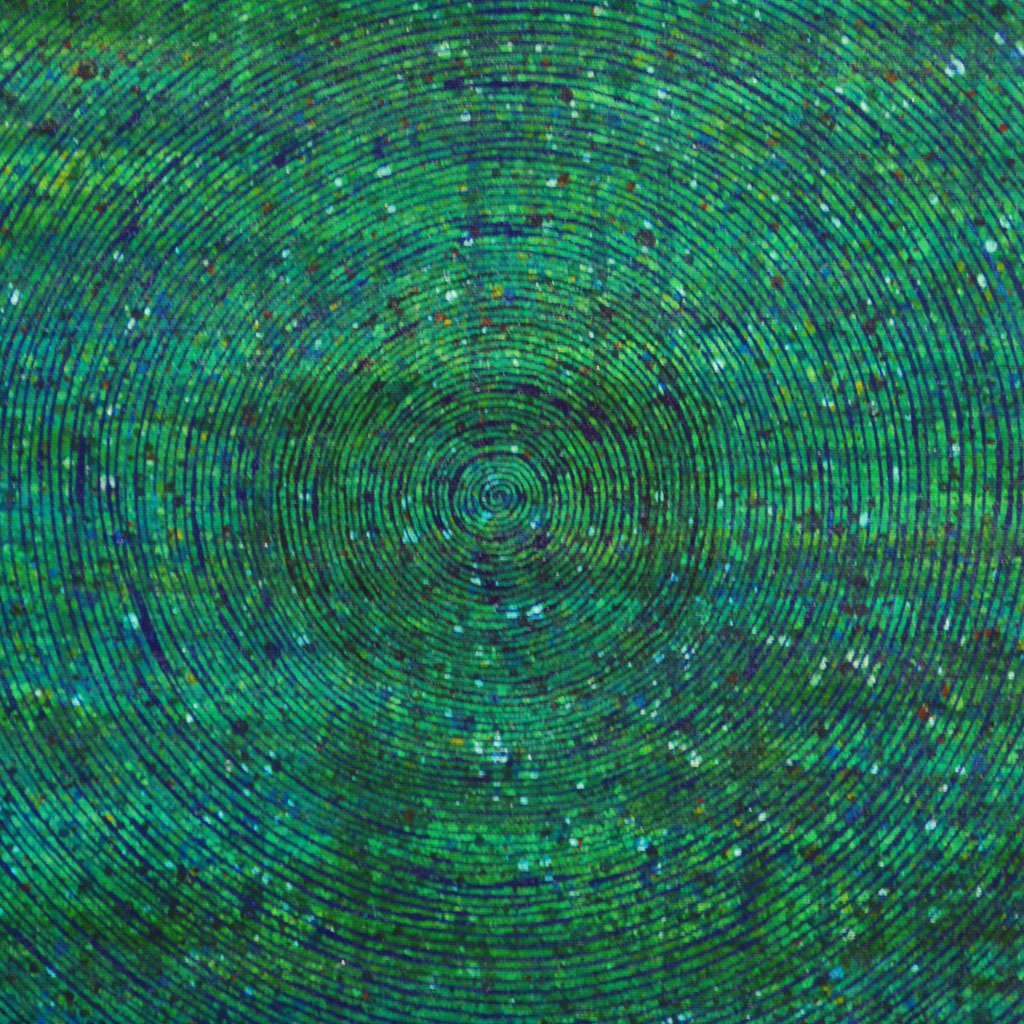

Shanthi Chandrasekar, Chakra-Neer, Acrylic on Canvas

Science Caturday: Physics 101

Professor Kitteh demonstrates the effect of a simple machine on an object.

physprofkitteh


The Art of Science: Beautiful Chemistry

Egg-HCl-01

Today is Chemistry Nobel day, so it’s a perfect time to spotlight a new site that explores the beauty of chemistry though ultra-high-definition videos and interactive graphics. Beautiful Chemistry is a collaborative project by the University of Science and Technology of China and Tsinghua University Press.

The Beautiful Reactions section features videos taken with a 4K UltraHD camera and special lenses to capture chemical reactions in remarkable detail.  The Beautiful Structures page uses computer graphics and interactive technology to showcase some of the most classic and beautiful chemical structures, including crystals, DNA and amorphous solids.

Beautiful Chemistry, which launched last month, hopes to use digital media and technology “to bring the beauty and wonder from the chemistry world to a wide audience. In addition, we want to achieve a unique aesthetic of chemistry, making chemistry approachable and lovable.” You can find more information on the video techniques and coming attractions on the Beautiful Chemistry blog.


Science Caturday: Curiosity Revisited

curiosity

A study published this week in the journal Neuron suggests why people learn better when their curiosity is piqued.

Researchers from UC Davis conducted  fMRI scans on students and found evidence that activity in the midbrain was enhanced during states of high curiosity. The study indicated that curiosity was related to an increase in the activity of the brain chemical dopamine, which seemed to strengthen the students’ memories.

While this may be good news for human students and teachers, researchers have yet to test the findings on cats, a group to which curiosity is often said to be lethal. Good luck getting those proposals past IRB cat!

irb cat


Science Caturday: Fish Police

safe

Ocean conservationists (and fish) got some rare good news from Washington this week: President Obama created the world’s largest fully protected marine reserve in the central Pacific Ocean.

The presidential proclamation – which does not require congressional approval – will expand  the Pacific Remote Islands National Marine Monument from almost 87,000 square miles to more than 490,000 square miles, placing the area off-limits to commercial fishing and many other activities that can damage the environment.

And what’s good news for fish is good news for kitties, right? You can read more about the expansion of the marine reserve in this article from National Geographic with a follow-up about how the new rules for the area will be enforced.