Falling Upwards

sftp-fullsize-redbg
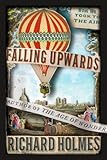
This week on Science for The People the conversation is about the science and history of lighter-than-air flight. The hour is spent with biographer and science writer Richard Holmes, to talk about his newest book, “Falling Upwards: How We Took to the Air.” Learn about the technology of 19th century ballooning, and the pioneering men and women who took to the skies and changed our view of the world.

Falling Upwards: How We Took to the Air by Richard Holmes (Pantheon, 2013)

The Travel of Tomorrow

Art by Steve Thomas

At ScienceOnline 2014, Eva and I encountered the folks from The Intergalactic Travel Bureau. They create a unique science education experience where folks get to plan their own getaway to the other planets in the Solar System – as well as some of the larger moons and dwarf planets.

I planned a trip (price tag >$3 billion) to the moons of Jupiter and sent postcards back to my kids.

They are looking to take The Intergalactic Travel Bureau on tour and need your help. Consider donating to their Kickstarter campaign. Do not be dissuaded by the fact that they have already met their goal. More donations just means they can expand the scope of the tour – and donating means you get to vote on where they show up.

Opening for Biology Instructor at SCGSSM

The South Carolina Governor’s School for Science & Mathematics, where the better half of my kids’ DNA teaches, is looking for a new Biology Instructor.

BIOLOGY INSTRUCTOR
Great teachers, students & environment = the S.C. Governor’s School for Science & Mathematics (GSSM). GSSM is growing and requires outstanding faculty in several disciplines to start by August 2014. For details, please visit www.scgssm.org.

As part of our expansion, we are seeking an exceptional Biology instructor. Applicants should have a Master’s degree, Ph.D. preferred, and a love of teaching. Desired qualifications include a strong content background in Biology and experience in teaching Biology at college or advanced high school levels, knowledge and application of technology, an understanding of gifted learners, enthusiasm for teaching motivated and talented high-school-aged students and an ability to advise students in the completion of senior research projects. General academic advising, committee meetings, student activity advising, and occasional evening/weekend commitments are a regular part of faculty responsibilities.

Current courses taught at GSSM at the college or university level include AP Biology, Molecular Biology, Vertebrate Biology, Human Anatomy and Physiology, Neuroscience, Advanced Genetics and Ornithology. GSSM encourages the introduction of new courses. Courses offered will vary each semester depending on the interests and expertise of instructors, and on student interest. GSSM offers a unique opportunity to teach these subjects, including weekly two to three hour labs.

This is a full-time (10-month) teaching position, with full benefits available. A public school teaching certificate is not required. Salary is competitive and commensurate with credentials, experience and unique capabilities.

GSSM offers a wonderful teaching environment with motivated and talented students in a residential setting and is recognized among the top public elite high schools in the nation. We are a statewide, public residential high school for 11th and 12th graders specializing in the advanced study of science and mathematics. Historically, GSSM has maintained a 10:1 student to faculty ratio. Nearly 80% of the faculty members have earned doctoral degrees. Over five years, our students’ SAT average is 2059.

Please apply electronically. Forward a cover letter, resume and teaching statement, along with the GSSM application available at www.scgssm.org/employment, prior to March 31, 2014.

Forward all materials to email address: GSSMPersonnel@gssm.k12.sc.us

Please include the word “Biology” in the subject line.

The S.C. GSSM is an Equal Opportunity Employer.

Would you like to meet a Tardigrade?

In the Canopy with Water Bears and Wheelchairs

We’ve already met tardigrades (or water bears) virtually. If you are an undergraduate with an ambulatory disability, you also have an opportunity to meet tardigrades in the tops of trees.

At ScienceOnline 2014 I learned from Meg Lowman & Rebecca Tripp during a very impressive keynote presentation about a research program to study tardigrades in forest canopies that was specifically focused on making field research accessible to individuals with ambulatory disabilities. Not only was the research fascinating (water bears are EVERYWHERE), but it also represents an important effort to help the social practice of knowledge building that we call science actually include the diversity of our society.

The project is organized through the lab of William Miller at Baker University in Kansas. If you or someone you know might be interested, contact check-out the announcement flyer below, the information sheet below that, and contact the Miller lab. The application deadline is 14 March 2014. Act quickly while supplies last.REU-2014-AnnouncmentFlyer-2 (1)

REU-Canopy-InfoSheet2014-1 (1)

Growing up Sea Turtle

NEW LINKONOMICON ENTRY: “Where Do Baby Sea Turtles Go During Their Lost Years?” by Ed Yong in Not Exactly Rocket Science at National Geographic Phenomena

photo (1)
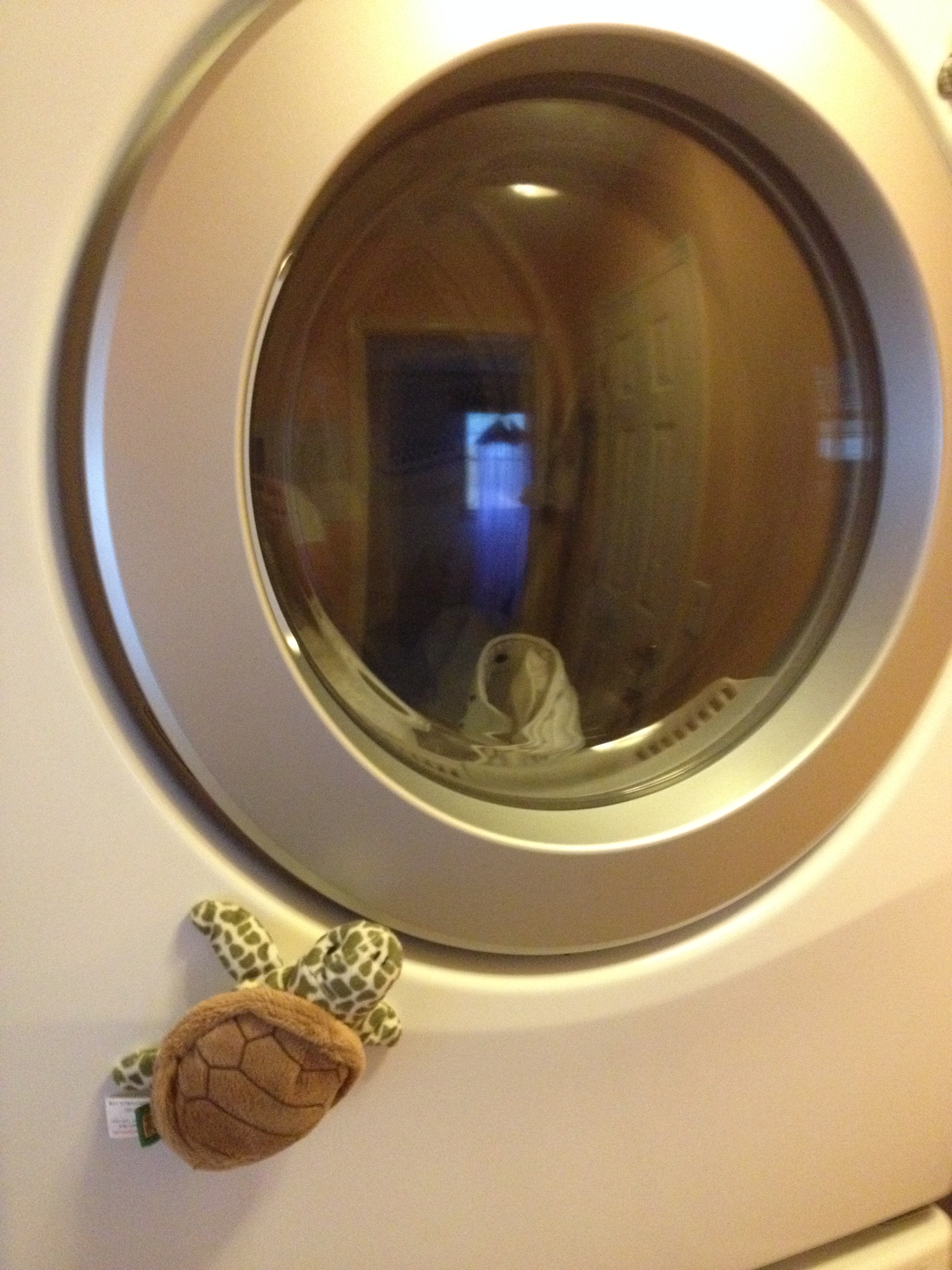
Hatchling sea turtle heads toward the North Hartsville Gyre (Photo Credit: Josh Witten; CC BY-NC-SA 4.0)

Ever wonder where baby sea turtles go to grow up – those awkward middle years between hatchlings racing through a seagull flock of attrition and being nearly impervious adults?

My kids have. Until now, I had to tell them “I don’t know.” Not just because I didn’t know, but because no one really knew. There were guesses, but there wasn’t evidence.

Read Ed Yong’s great piece at National Geographic Phenomena to hear the clever way researchers from the University of Central Florida collected data to back up (mostly) some well-reasoned hypotheses.