
I wanted to like you so much. You were supposed to be the best thing since Neuromancer.
Altered Carbon is a clever William Gibson/Raymond Chandler hybrid, with a brilliantly imagined future world, but this book suffers from the core flaw I find in nearly all of the sci-fi I’ve been reading lately: an amazing core idea is left barely developed. In the case of Altered Carbon, although the author struggled mightily, nothing in this book developed naturally: not the plot (excessively convoluted, contrived, and in the end unconvincing), not the characters (the characters, except for superficialities, are largely interchangeable, and there is no genuine psychological development), and certainly not the larger social and philosophical themes. A philosopher from the hero’s home planet is fequently quoted, but this philosopher is neither poetic nor profound. Altered Carbon is clearly inspired by The Big Sleep, but unlike Philip Marlowe, Takeshi Kovacs is not convincingly tormented by being a man of honor and conscience in a world without either. Kovacs is more like John McClane (or any other kick-ass John like John Rambo or John Connor, but we can at least give Morgan credit for not naming his character John Kovacs) than he is like Philip Marlowe, and, in spite of their unquestioned awesomeness, the main characters of Rambo and Die Hard would be completely out of place in hard-boiled noir. They work by blowing shit up, and so does Takeshi Kovacs. Continue reading “Damn you, Altered Carbon”
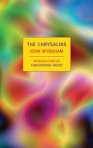 The much-revered writers of the Golden Age of science fiction can be quite rough around the edges, even downright embarrassing on occasion. The writing is hurried, the plots of plot-driven books are disturbingly inconsistent, and the characters are primarily stock types and authorial mouthpieces. To top it off, many of these novels are ambitious, earnestly offered as novels of big ideas. These ideas are usually sympathetic (tolerance, freedom, racial equality, escape from religious tyranny), but generally reduced to platitudes expressed in long, somnolent sermons by the your standard pointy-headed philosopher-scientist.
 Fans of British apocalypse novels a la
 The Finch and Pea