
Teach a child to think

LMU students taking a class at the LA zoo. Photo by Adan Garcia.

For the last month, the science policy group I belong to has been discussing K-12 STEM education. The United States’ scoring on international achievement tests has been falling since the 70s. You can look over the data for the most recent evaluation by PISA (Program for International Student Assessment) here. For all of our posturing as the most powerful country in the world, we are failing to give our children a competitive education. How do we turn the ship around and teach our children to think critically and help them prepare for a life in a rapidly advancing society?

Continue reading “Teach a child to think”

Meet the Olm: Salamander Super-Ager


The olm is the only species in the genus Proteus within the Proteidae family (the other genus is Necturus). Olms are cave salamanders found in Southern Europe. Like many other derived groups of salamanders the males courts the females before depositing a spermatophore for her to pick up with her cloaca. Fertilization is internal in the olm. Continue reading “Meet the Olm: Salamander Super-Ager”

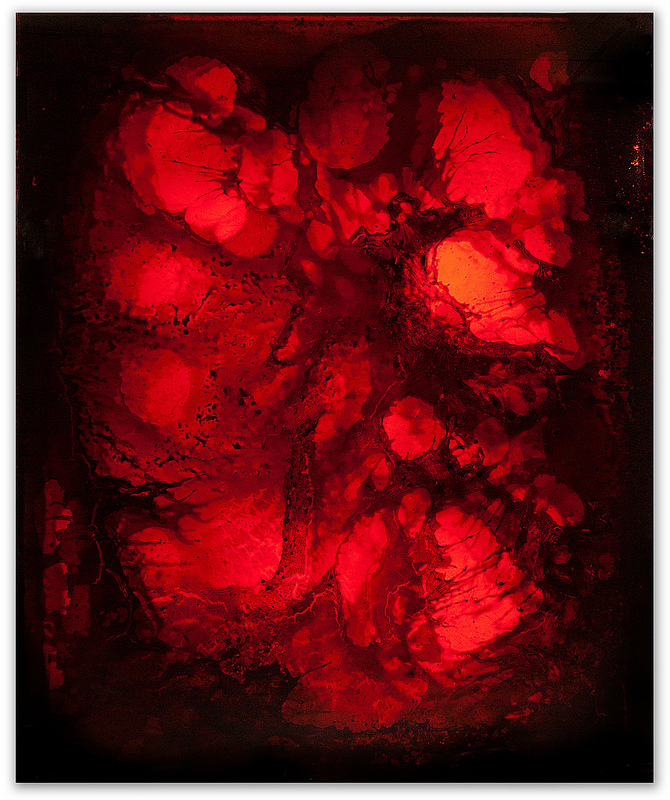
The Art of Science: The Bloody Brilliance of Jordan Eagles

Life Force, 2012
Life Force, 2012

I get no kick from old bones
Nails, skin and hair
No, I really don’t care
Just give me that trickle, that flood
‘Cause I get a kick out of blood.

OK, so maybe that’s not quite how that song goes.  I was inspired by bravura bloodwork of this week’s Art of Science pick, Jordan Eagles. Continue reading “The Art of Science: The Bloody Brilliance of Jordan Eagles”

Science Tourist: Water Engineering Part 1 – Cruquius Museum and Amsterdam Ordnance Datum

I spent most of my childhood on the bottom of a lake. If you’ve ever flown to The Netherlands’ Schiphol Airport, you’ve been there, too. Luckily for us, the Haarlemmermeer (Haarlem Lake) was drained in the 1850s.

Where there is now a large international airport, several towns, farms and business parks, was once a 170 square kilometre lake. And where there was once one lake, there used to be multiple smaller ones. in the sixteenth century, Haarlem lake was smaller than 30 square kilometres. Flooding, erosion, and the harvesting of peat caused the small lake to merge with three other lakes in the area. The lake kept growing and growing. This hungry habit of lakes to eat away at the surrounding land was called “waterwolf”. It started becoming a nuisance, as the lake encroached further toward the surrounding cities. When it edged closer and closer toward Amsterdam, plans were made to dry the lake. Continue reading “Science Tourist: Water Engineering Part 1 – Cruquius Museum and Amsterdam Ordnance Datum”

Horse Soldiers, Corb Lund, and science dogs

This week, I’ve strayed a little from the usual rock leanings that we have here at Song of Week. I’ve highlighted some great folk music in the past but have never quite made it into country territory. Corb Lund‘s Horse Soldier, Horse Soldier, the title track from his 2007 album, is completely worth the detour. I really don’t care how anyone wants to classify this song, it’s an intense, lyrically dense and literate piece of song craft. As reviewers have noted about his music generally, you start out thinking you might not like it, maybe it’s too country, but before you know it you’re totally absorbed and leaning in to try to make out every word. In this one in particular, the Alberta roots music legend takes us on an emotional and powerful tour of armed human conflict through the eyes of the horses that almost always accompany them and often fall victim to them. It’s a powerful history lesson on the culture of war, though hardly a person is mentioned. Continue reading “Horse Soldiers, Corb Lund, and science dogs”