Art of Science: Joe Black’s Ways of Seeing

joe-black-mosaic-01
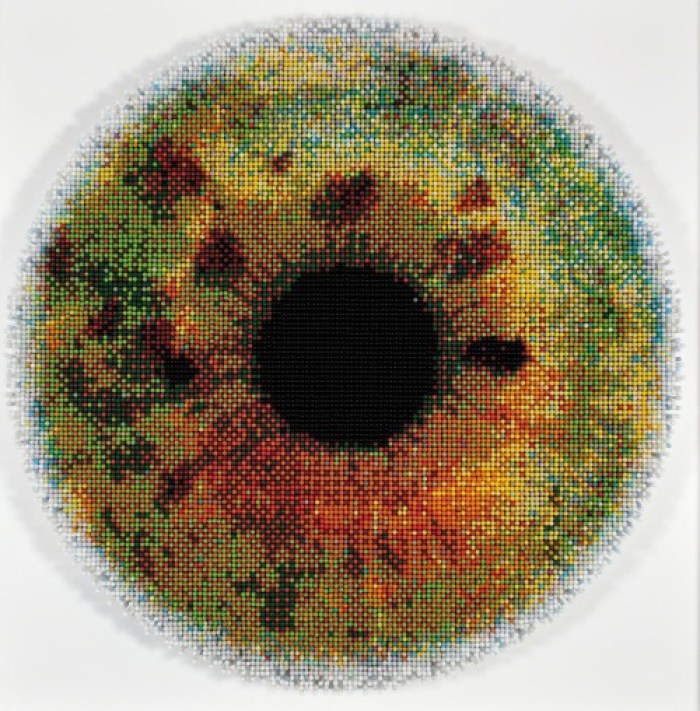
Joe Black, Ways of Seeing, 2013, hand-painted test tubes

UK-based artist Joe Black uses thousands of small objects – ranging from toy soldiers to plastic flowers to chess pieces – to create his large scale mosaic works. Black has made many portraits of famous people, including David Bowie and Barack Obama. But my favorite is Ways of Seeing, a huge eyeball made of 15,000 painted test tubes.

Black says that while he will use practically anything that is small enough to build large images and create vast tonal effects, he is careful to select a medium that not only meets those requirements but is also relevant to the subject he’s depicting.  The connections between the image of eye, the scientific connotations of the test tubes and the idea of art and science as ways of seeing are all fairly clear. His reasons for also building his portrait of Bowie out of test tubes remain slightly more obscure.

You can see more of Joe Black’s work at his website.

joe-black-mosaic-02
Detail view of Ways of Seeing


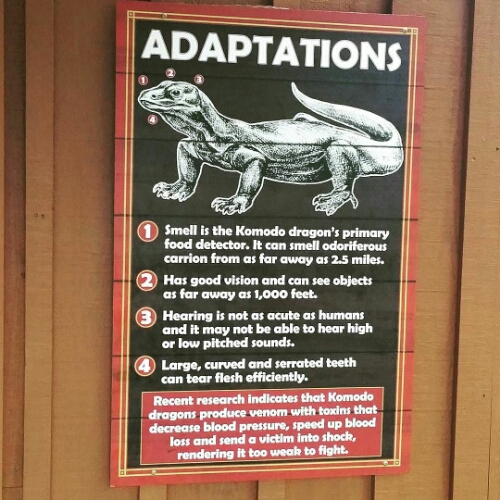
Actually it’s about scientific accuracy in zoo signage

image
Photo by Josh Witten (CC BY-NC-SA)

Happy Solstice, Everyone

Photo by Josh Witten (CC BY-NC-SA)


Each year our family connects with one of the most ancient of human traditions. We light a fire through the longest night of the year to remind the sun to rise again the next day.

Science Caturday: The Cats Awaken

This week, researchers with USAMRIID published findings on Sphingosine kinase 2 as a host factor….oh look, who are we kidding here? This week’s big nerd story was STAR WARS: THE FORCE AWAKENS. This post contains absolutely no spoilers, only a collection of all the best Star Wars lolcats the internet had to offer. Enjoy them we hope you will.

swcat1

swcat3

swcat2

swcat4

swcat7

swcat5

whoutink


Science for the People: Artificial Intelligence

sftp-square-fistonly-whitebgThis week, Science for the People is talking about artificial intelligence, and how thinking machines are fitting into – and changing – our lives and cultures. Should we be concerned or excited about the future of artificial intelligence? To try and find out, we’re joined by a panel of four: Kerstin Dautenhahn, Professor of Artificial Intelligence at the University of Hertfordshire; Raymond Mooney, Director of the University of Texas Artificial Intelligence Lab; Despina Kakoudaki, Director of the Humanities Lab at American University; and Rose Eveleth, science writer and host of Gizmodo’s “Meanwhile In The Future” podcast.

Science for the People is now part of the Skepchick Network.

Don’t forget to support the Science for the People on Patreon to keep the sciencey goodness flowing toward your ear holes.

*Josh provides research help to Science for the People and is, therefore, completely biased.