The Power of Positive Thinking

Upwell‘s Rachel Dearborn has a thoughtful post over at Medium arguing for more positivity in communication about conservation that emerged from her visit to the Circumnavigating Hope workshop in London.

Doom and gloom can be overwhelming. The seriousness of a problem can actually stop people from acting constructively, because humans are mercurial things.

What if the stories we told about the ocean weren’t all doom and gloom?

Can we foster a kind of hope that inspires people to protect our planet’s most precious resource?
Rachel Dearborn

Can we create hope and build momentum? The workshop spawned the #OceanOptimism hashtag on Twitter where you can see folks giving it a try. You can also visit Upwell or subscribe to their Tide Report for doses of science, fun, and hope.

Call Me, Ishmael

Ben Lillie, of well-justified The Story Collider fame, pointed us to a relatively new website – Call Me Ishmael. The idea is that you call (774.325.0503) and leave a voicemail talking about a book and how it connected with your life:

Leave a voicemail about a book you love and a story you’ve lived.

While “Ishmael” does, helpfully, provide a transcript of the call, it is the layers of emotion in the voice of the reviewer telling the story that really brings the reviews to life. This is probably not an accident.

And, in case you are wondering, I will not be calling in to leave a voicemail reviewing Valdez is Coming by Elmore Leonard, because I hate talking on the phone.

Haldane, Huxley, dystopia, biopunk, biotech, and Windup Girl

All that in six minutes and 40 seconds. Last week I gave my first Pecha Kucha talk at Openly Disruptive’s Disruptive Diner series. The topic was science foreshadowed by science fiction. Have a look. The script of my talk is below the fold. If you want the post-talk Q&A session you can find it on Openly Disruptive’s YouTube channel, where you’ll also find science fiction author Mark Tiedemann’s talk on robots in our society and imaginations.


Continue reading “Haldane, Huxley, dystopia, biopunk, biotech, and Windup Girl”

Broken Shells

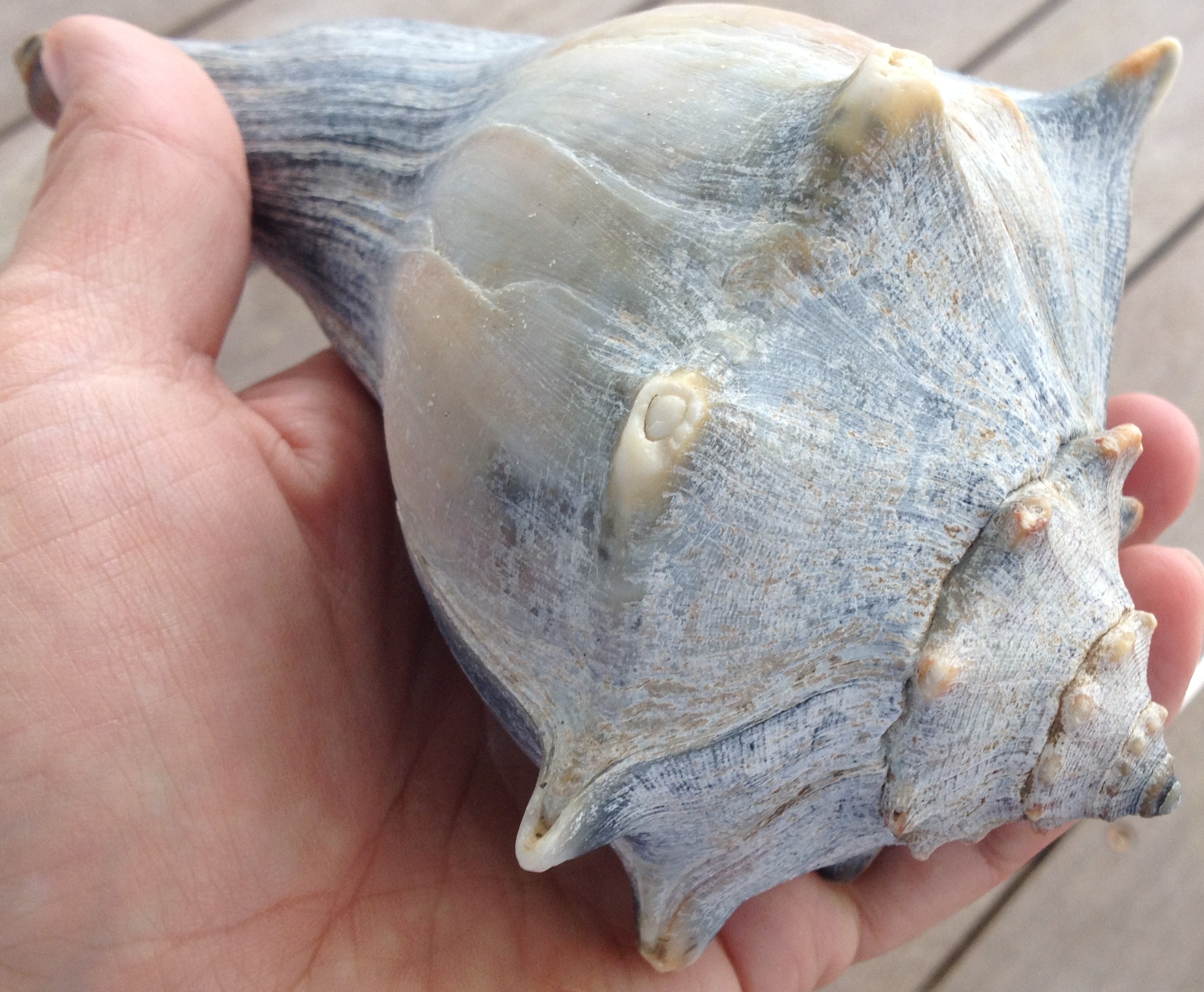
photo 2 (1)For Spring Break, I took my three year old daughter1 to Holden Beach, NC. It was not warm enough to spend much time splashing in the water. So, we spent a lot of time looking for shells.

Over nearly thirty-five years, I have had the platonic ideal of a “sea shell” crammed into the forefront of my consciousness. I’m supposed to find “perfect” shells, unmarred by the unforgiving motions of the sea that bring the shells within my reach. Shells that will look pretty on the shelf. Shells like this one that used to be a whelk’s home2.

Based on the weight of shell fragments my daughter deposited in my pockets, it is clear that she has a more expansive ideal of beauty than her old man. We collect a lot of “broken” shells, because my daughter sees the innate beauty in these broken things. This may explain why she still likes me3.

You know what? You can learn a lot from broken shells and three year-olds. Continue reading “Broken Shells”

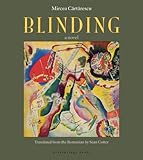
The “poetry you find in science” in Cartarescu’s Blinding

Romanian author Mircea Cartarescu’s massive novel Blinding is one of the best books I’ve read in a long time – and I’m only 80 pages in. It’s a dream autobiography/family history, heavily influenced by scientific ideas and metaphors. The author described his thinking to Bookforum:

It is the point at which science is unified with poetry, with geography, with mathematics, with religion, with everything you can imagine. Three quarters of the books I read are scientific books. I’m very fond of the poetry you find in science. I read a lot about subatomic physics, biology, entomology, the physiology of the brain, and so on. I’ve always thought that being alive is a great gift, one that should be explored.

If you like science in poetry or literature, this book is worth checking out.