The roots of mental illness

Image by Jennifer Mathis

There’s been a lot of buzz in the media this week about a new study on the genetic component of some mental illnesses. This is the largest genome wide association study of the genetic component of mental illness to date (33,332 affected individuals and 27,888 control individuals had their genomes examined for single base pair genetic differences.  The affected individuals were diagnosed with one of five disorders: autism spectrum disorder, attention deficit-hyperactivity disorder, bipolar disorder, major depressive disorder, or schizophrenia. This particular study focused on finding genetic changes that were common to all five disorders as opposed to any genetic changes that cause the individual disorders. The genetic associations uncovered by this study were shocking to many in the field.


Continue reading “The roots of mental illness”

Teach a child to think

LMU students taking a class at the LA zoo. Photo by Adan Garcia.

For the last month, the science policy group I belong to has been discussing K-12 STEM education. The United States’ scoring on international achievement tests has been falling since the 70s. You can look over the data for the most recent evaluation by PISA (Program for International Student Assessment) here. For all of our posturing as the most powerful country in the world, we are failing to give our children a competitive education. How do we turn the ship around and teach our children to think critically and help them prepare for a life in a rapidly advancing society?

Continue reading “Teach a child to think”

What are you afraid of?

FearLooking into those several week old containers of leftovers in the fridge? Analyzing data for an experiment you’ve now done a third time looking for a tie-breaker? Walking into that small conference room with your thesis committee hoping to graduate? Each of these things can cause the body to enact the fear response.

A great deal of evidence has implicated the portion of the brain called the amygdala in fear and recall of fear and behaviors associated with it. It is incredibly rare for a human to have damage to their entire amygdala but these cases do exist. One example is Patient SM who has a rare condition called Urbach-Wiethe disease. This disease causes a build-up of calcium in blood vessels which can damage particular parts of the brain, in the case of Patient SM, both portions of her amygdala have been destroyed by these calcifications. This woman exhibits no fear response to normally frightening stimuli like snakes, spiders, haunted houses, or scary movies. She cannot recognize fear in the faces of others. She and a few other patients have been critical to studies of how the amygdala modulates fear in humans. Are these people truly fearless? Continue reading “What are you afraid of?”

Less Porn for the TSA

Image courtesy of Jonathan Warner

Last year I wrote a post about the potential dangers of x-ray backscatter scanners in use at airports around the country. According to a recent post on the TSA blog, these scanners are now being decommissioned and being replaced with millimeter wave technology scanners which do not emit radiation. This is exciting if you travel frequently and prefer to keep your x-ray dosage to a minimum. But it turns out,  the TSA didn’t pull these machines because they actually care about exposing the public to harmful radiation. Continue reading “Less Porn for the TSA”

It’s not just the flu that’s going around…

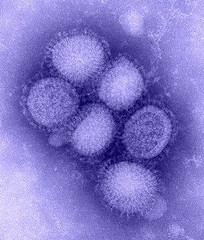
H1N1 Influenza Virus. Image courtesy of the CDC.
H1N1 Influenza Virus.
Image courtesy of the CDC.

UPDATE: A major paper supporting the autoimmunity narcolepsy connection has been retracted, please see my update to this post here.

It’s been a pretty rough flu season. While my household has so far been lucky, (knocking on wood all over the house) many were knocked out of commission by this year’s influenza epidemic. Now, it turns out there’s more to be worried about than just catching the flu. A long range result of having the flu or having a flu vaccine can be development of narcolepsy…..What?!

Narcolepsy is a neurological condition in which your brain cannot regulate sleep and wake cycles appropriately. Narcoleptics can fall asleep at any time regardless of their current activity. Large-scale genetic studies have shown that narcolepsy has a strong association with mutations in the T cell receptor alpha locus. This surprising link to the immune system led to research that implicates auto-immune malfunction wherein a person’s immune system kills neurons expressing the protein hypocretin which is necessary to regulate wakefulness.

So now how is this related to the flu? Continue reading “It’s not just the flu that’s going around…”