Cats have a slightly different version of the creation of the gas-powered internal combustion engine.
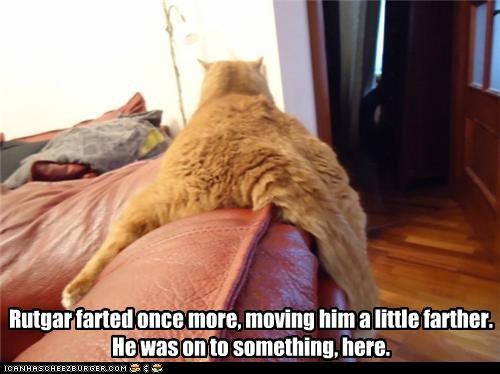
photo via Cheezburger.com

Cats have a slightly different version of the creation of the gas-powered internal combustion engine.
photo via Cheezburger.com
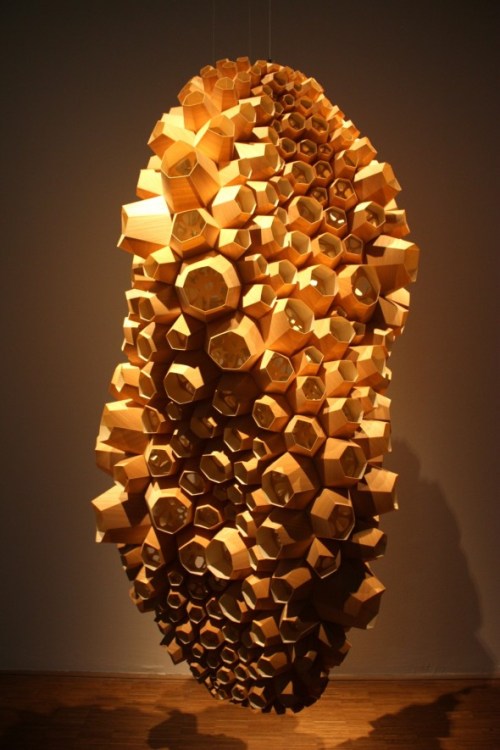
Chrysalis III, a sculpture by Andrew Kudless and MATSYS Design, is a piece with elements to appeal equally to the naturalist, the computer geek and the art snob. The work is based on nature, specifically the self-organization of barnacle-like cells. He explains, “The cells shift and slide across the surface as they attempt to find a more balanced packed state through the use of a relaxed spring network constrained to the surface.” Continue reading “The Art of Science: Andrew Kudless’ Intelligent Design”
The biggest story this week was the revelation that the US National Security Agency (NSA) has a program called PRISM that allows it access to the private communications of users of some very popular internet services, including Facebook and Google.

Reactions ranged from denial

To shock and dismay

to outright paranoia.

all lolcats via cheezburger.com
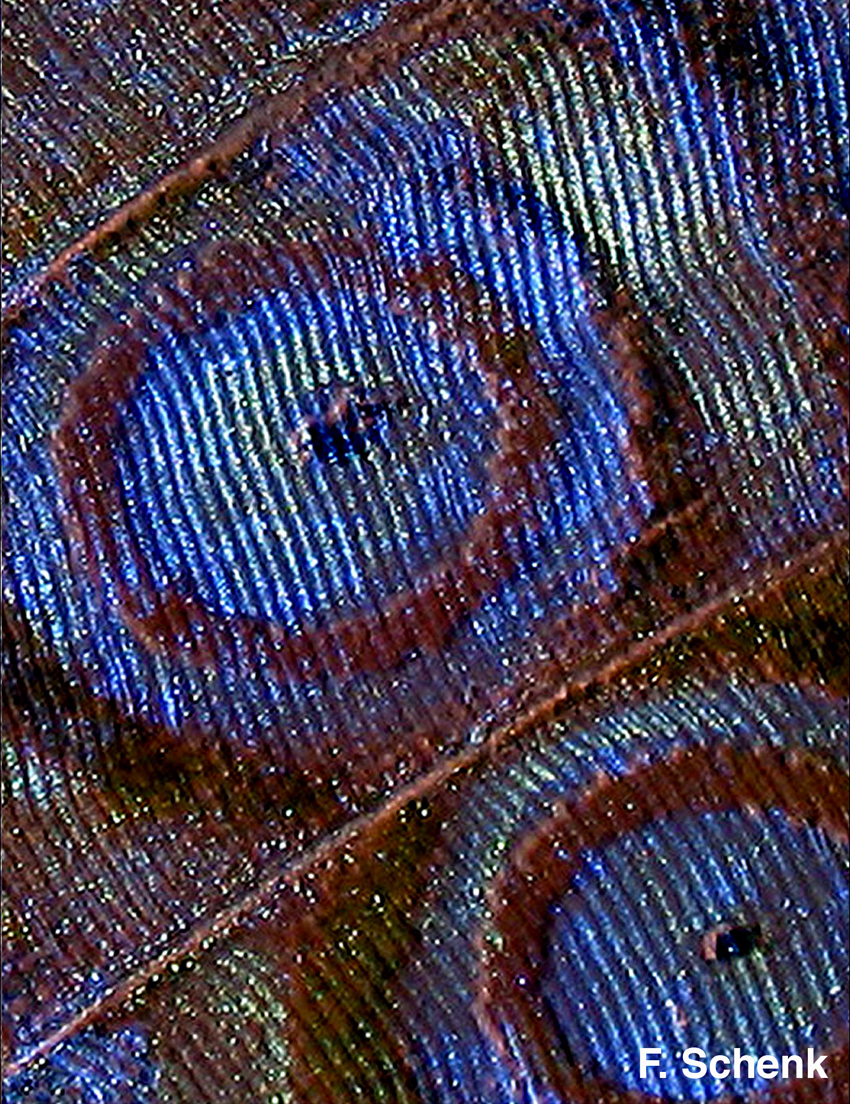
Like many painters, Franziska Schenk is inspired by what Darwin called the “endless forms most beautiful” of the natural world, and the dynamic processes of evolution, predation and camouflage. As she delved deeper into her work, she became particularly interested in iridescence, the property that allows some surfaces to appear differently colored depending on the angle or light in which they are viewed. Generations of painters have developed techniques to suggest the effect of iridescence – Schenk decided to apply a little science. Continue reading “The Art of Science: Shimmer and Shift”
That’s really plenty of activity for a Caturday.
Image via Cheezburger.com
 The Finch and Pea