The work of Brandon Ballengée, an artist, biologist and environmental activist, often focuses on the damage that humans do to nature. For example, he has worked for years on both art and scholarship based on the rising occurrence of developmental deformities and the decline in populations of amphibians. A major 2013 installation, Prelude to the Collapse of the North Atlantic, looked at catastrophic declines in marine diversity.
The photo-based installation Ti-tânes, however, takes a different view. Ballengée here was inspired by the Titans of Greek mythology, metaphorical representations of the forces of nature who were eventually overthrown by the more human-like gods, but nonetheless survived, banished to austere lands.
The artist explains:
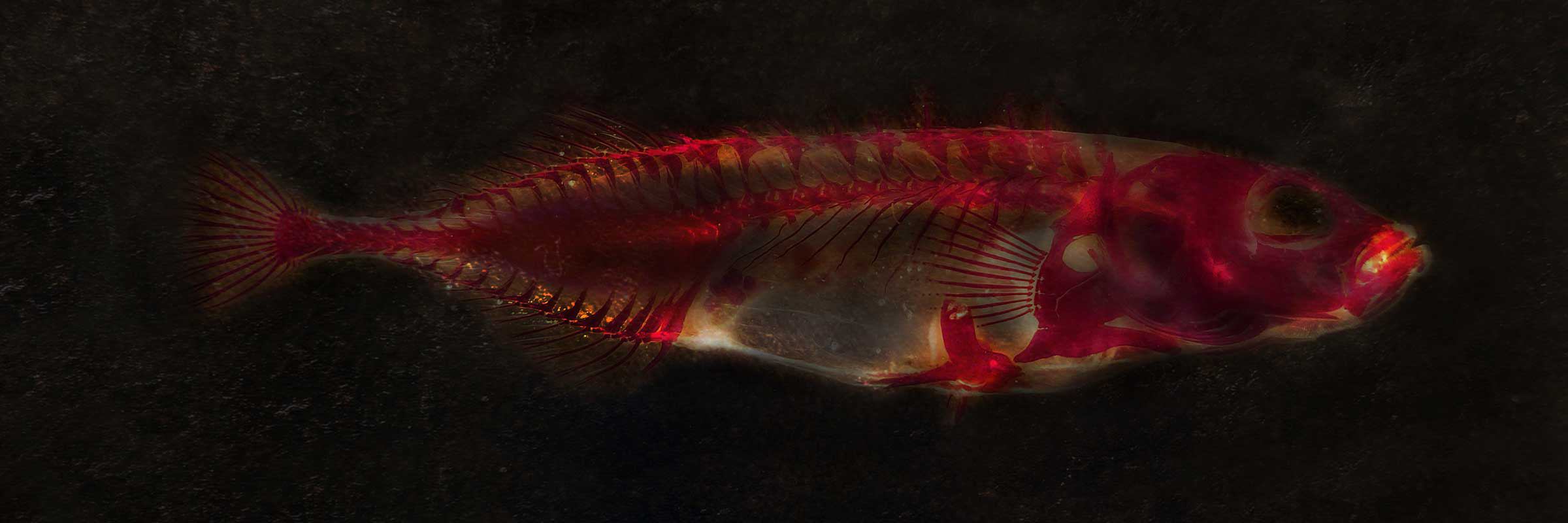
With the Ti-tânes series, I aim to portray ancient animal species, which are able to survive (perhaps even thrive) in habitats environmentally impacted by human activity. Such organisms have endured millions of years and are now adapting to today’s ecological degradation.
For the works in this exhibition, three nine-spined stickleback (Pungitius pungitius) collected from the a polluted canal in Chamarande (France) were chosen as subjects and carefully stained using Alizarin red dye, which adhered to bone, then cleared using digestive enzymes to make surrounding tissues transparent. From the biological research side this was done to analyze specimens for any developmental abnormalities that in life we could not have seen. Secondly, this treatment was performed as an artistic choice – as clearing and staining is a way to change the way we are able look at such organisms, how we perceive them – they are abstracted yet made more clear. Next they were photographed on coal (literally fossilized carbon) meant to recall ancient life as well as changes to today’s climate made through the continued burning of such fossil fuels.
These artworks are meant as portraits of the individual fish, as each is unique as each of us. Through size (making them larger than life) they are scaled so the human viewer sees them at a magnitude beyond our ordinary bodily scale – grandiose and sublime like nature herself. Metaphorically they are meant to recall the ancient lingering nature deities surviving in banished now degraded environs. Viewed as skeletons they are not meant to represent death but instead life persisting in ecosystems made preternatural by human activity.
The Ti-tânes series is currently on exhibit at the Museum Het Domein in Sittard, The Netherlands, as part of Seasons in Hell, a retrospective exhibition of Ballengée’s artwork, through June 29, 2014. An online virtual tour of the exhibition is available here.
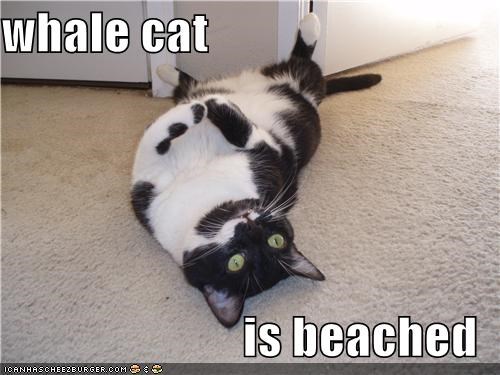
The biggest science story online this week was very big indeed. About 60 tons, in fact. The gigantic carcass of a blue whale has washed up onto the beach in Trout River, Newfoundland, and some fear it could explode. The whale carcass, which is estimated to be 81 feet long, has been swelling for several days due to the buildup of methane gas inside the body. And yes, as many of us learned this week by watching disgusting but riveting videos, a dead whale can explode.
And, to prove that even a swollen dead whale can be a teaching tool, Aatish Bhatia wrote this terrific post using physics to work out the velocity of guts spewing from an exploding whale.
About 100 species of lemurs live on the island of Madagascar. The astonishing diversity of lemurs in this one location has allowed scientists to make important advances in evolution and island biogeography. Unfortunately, habitat loss and hunting are threatening their survival. According to the International Union for Conservation of Nature (IUCN) lemurs are the world’s most endangered mammals, with up to 90% of all lemur species face extinction within the next 20 to 25 years.
The Lemur Conservation Foundation (LCF), is a small, Florida-based non-profit dedicated to the preservation and conservation of the Madagascar primates, is hosting a show of art featuring lemurs.
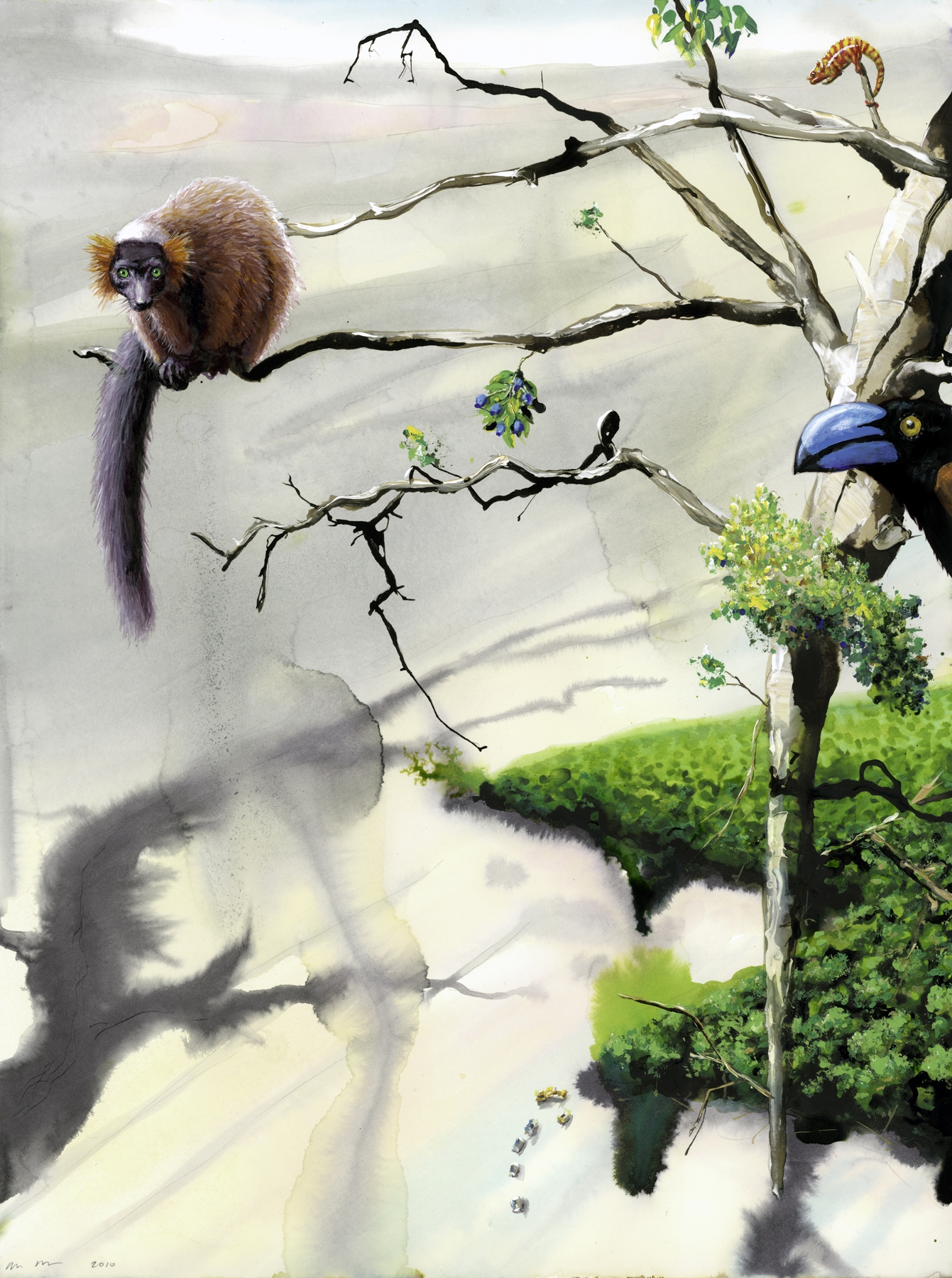
Vanishing, an exhibit featuring works from LCF’s permanent collection, includes works by 17 artists, including Alexis Rockman, who contributed Fragments, a painting depicting an imagined future of a devastated lemur habitat.
Rockman, well known for his dystopian visions of an earth ravaged by pollution and climate change, traveled to Madagascar in 2009 with LCF. He later painted Fragments, a lovely but unsettling image of a rare red ruffed lemur on a bare branch of a tree that offers little shelter or sustenance.
LCF founder Penelope Bodry-Sanders hopes the art exhibit will help people “understand the awfulness of extinction—without that, there is little hope for the future of lemurs and life itself in its magnificent diversity. “
Vanishing is on exhibit at Art Center Sarasota in Florida from May 22 – June 27. More information is here.
Boozy drinks that you can mix like instant lemonade? The internet was abuzz this week with reports that a company called Lipsmark had received US government approval to sell a form of “powdered alcohol” called Palcohol. Shortly after the company’s announcement, however, the Treasury Department’s Alcohol and Tobacco Tax and Trade Bureau said that it was withdrawing its approval.
So while we can’t immediately try out a powdered mojito, we can do as the internet folk do, and talk about it. Apparently, the idea of powdered booze has been around for decades, and versions of it are already for sale in parts of Europe and Asia.
Larry Greenemeier at Scientific American talks about the concept and the chemistry with chemist and blogger See Arr Oh, who notes that the alcohol isn’t so much powdered as encapsulated in a form of sugar. Paul Adams at Popular Science provides instructions on making your own “fluffy” powdered booze. And everybody everywhere warns you not to snort it.
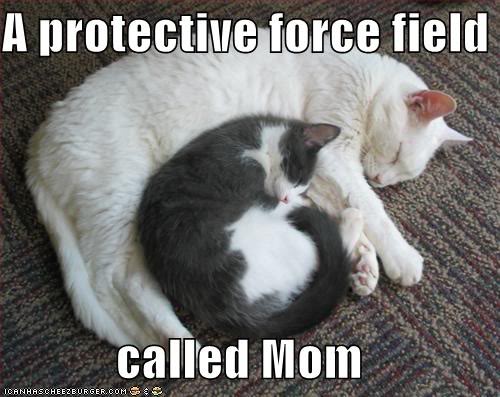
The Finch & Pea is a fairly traditional pub, so we’re planning to stick with liquid alcohol for the forseeable future. We’re more interested in the product shown above, which could allow people to take lolcats on plane trips or bike rides, or even send them through the mail. This exciting development could bring a whole new meaning to Chemistry Cat.


 The Finch and Pea
